

What if you could launch your startup idea without coding, developers, or months of waiting?
Today’s no-code app builders let founders, entrepreneurs, and creators build fully functional MVPs (Minimum Viable Products) in days instead of months, saving time, money, and effort.
Whether you’re building a startup MVP, or turning your website into a native mobile app, modern no-code platforms provide drag-and-drop interfaces, built-in databases, integrations, and AI-powered features.
This means you can validate your idea faster, test your market, and launch before competitors even start development.
In this blog post, you’ll discover the best no-code app builders for launching an MVP quickly, compare their features, and find the perfect platform to turn your idea into a live product today.
Why Use No‑Code App Builders for MVP Development?
Using no-code app builders for MVP (Minimum Viable Product) development has become very popular, especially for startups, students, and solo founders.
Here’s why they’re so useful
1. Build much faster
No-code tools let you build apps in days or weeks instead of months. Instead of hiring developers, writing backend code, and designing databases, you can simply drag, drop, and launch quickly.
Platforms like Bubble, Glide, Adalo, and Webflow make it easy to turn ideas into working products in a short time.
2. Lower cost
Building an MVP traditionally can cost thousands of dollars. No-code tools significantly reduce costs because you don’t need a full development team.
Many platforms offer free plans or affordable subscriptions, making them ideal for students, startups, and solo founders with limited budgets.
3. Easy to test ideas
The main goal of an MVP is to test whether your idea works. No-code tools allow you to launch quickly, gather feedback, and make improvements without heavy investment.
This helps you avoid wasting time and money on ideas that may not succeed.
4. No coding skills required
You don’t need to be a programmer to build an app. No-code platforms use visual editors and simple logic, allowing anyone to create functional applications.
This empowers entrepreneurs, designers, and students to build their own products.
5. Quick changes and updates
No-code tools make it easy to update your app based on user feedback.
Instead of rewriting code, you can adjust features, layouts, or workflows in minutes. This flexibility is perfect for MVP development.
6. Faster time to market
Launching early gives you a competitive advantage. No-code platforms help you release your MVP quickly so you can start gaining users, feedback, and traction sooner.
How to Choose the Best No‑Code App Builder for MVP
Choosing the right no-code platform depends on your idea, timeline, and complexity.
Not all tools are the same — some are fast but limited, while others are powerful but require more learning.
Here’s a simple guide to help you choose the best one.
Decide what type of app you want
Start by identifying what you’re building. If you’re creating a web app, platforms like Bubble work well because they support complex features and workflows.
If you’re building a mobile app, Adalo is designed specifically for mobile experiences. For simple tools or quick MVPs, Glide is often the fastest option. If your MVP is mainly a website, Webflow is a strong choice.
Consider speed vs flexibility
Some platforms prioritize speed, while others offer more flexibility. Glide helps you build quickly with simple features, making it great for testing ideas fast.
Adalo offers a balance between ease and customization. Bubble provides deeper control and advanced logic, which is useful for more complex MVPs.
Check the learning curve
Your experience level also matters. Beginners often find Glide and Adalo easier to start with because of their simple interfaces.
Webflow requires some design knowledge but offers more customization. Bubble is powerful but may take longer to learn due to its advanced features.
Think about scalability
Consider whether your MVP might grow into a full product. If you’re building a simple MVP, Glide or Adalo may be enough.
If you’re planning to build a startup that grows over time, Bubble is often better suited.
Webflow is ideal when design and user experience are your top priorities.
Check integrations & features
Look at what features the platform supports. Some no-code tools provide built-in databases, API integrations, payment systems, authentication, and automation.
Platforms like Bubble typically offer more advanced backend capabilities, which can be helpful as your product grows.
Best No‑Code App Builders to Launch an MVP Fast
Most startup ideas fail—not because they’re bad, but because they take too long to launch and validate.
No-code app builders eliminate that delay, letting you turn ideas into real products in days instead of months.
1. Adalo — Best for Native Mobile MVPs
If your goal is to launch a real mobile app on the App Store or Google Play without coding, Adalo is your best bet.
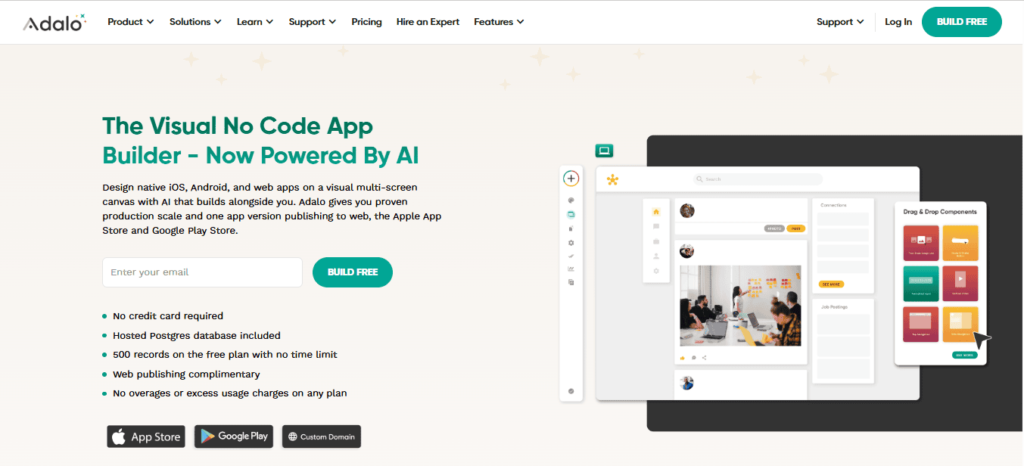
It allows you to visually build apps and publish them as native apps, making it ideal for founders targeting mobile-first users.
Its drag-and-drop interface plus AI-assisted builder help you go from idea to live product quickly.
Research shows it ranks #1 among visual builders for non-developers due to its balance of ease and capability.
2. Glide — Fastest for MVP Prototyping
Glide is the quickest way to turn a spreadsheet into a working app. If your MVP relies on structured data (like directories, CRMs, dashboards), this tool can get you live in hours—not weeks.
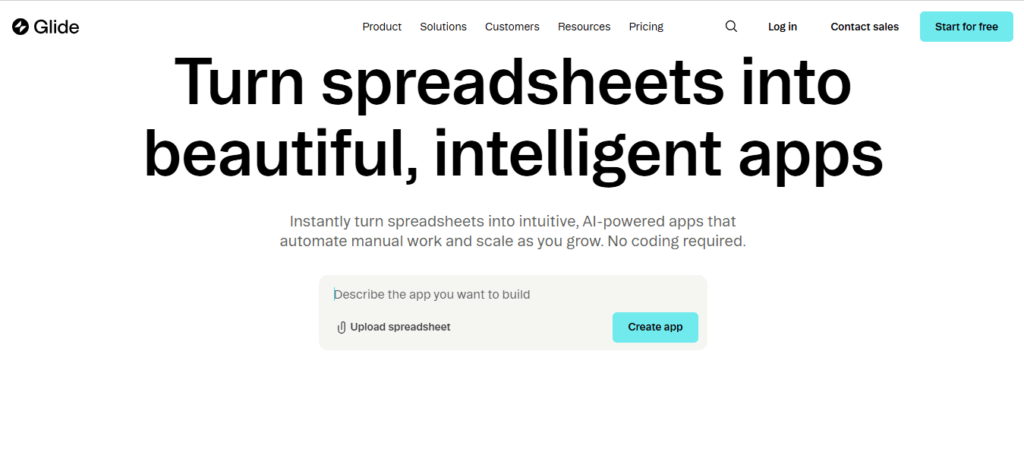
It’s extremely beginner-friendly and ideal for internal tools or validation-stage products.
3. Softr — Best for Client Portals & SaaS MVPs
Softr shines when you want to build membership platforms, directories, or SaaS dashboards.
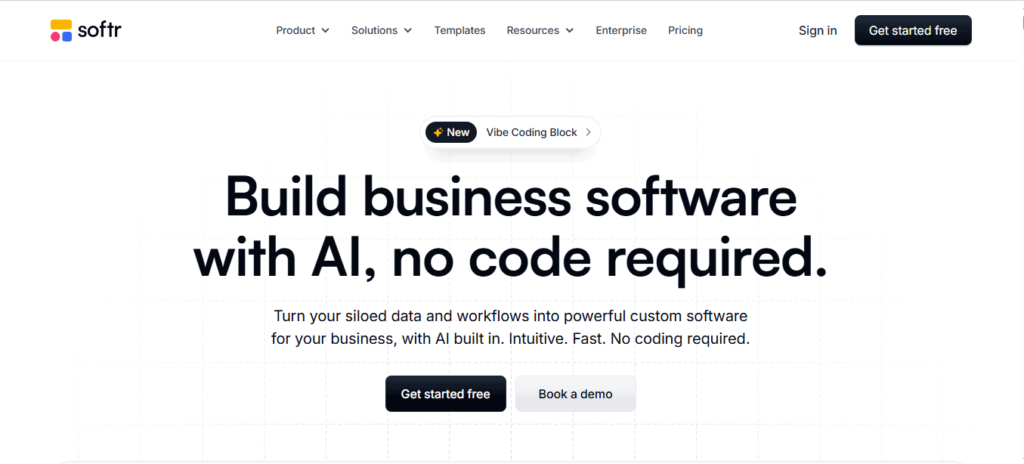
It connects easily with Airtable, Google Sheets, and other databases.
With templates and drag-and-drop blocks, you can launch polished web apps quickly without technical complexity.
4. Bubble — Best for Complex MVPs
Bubble is the most powerful no-code builder for creating full SaaS products. It offers advanced workflows, backend logic, and deep customization.
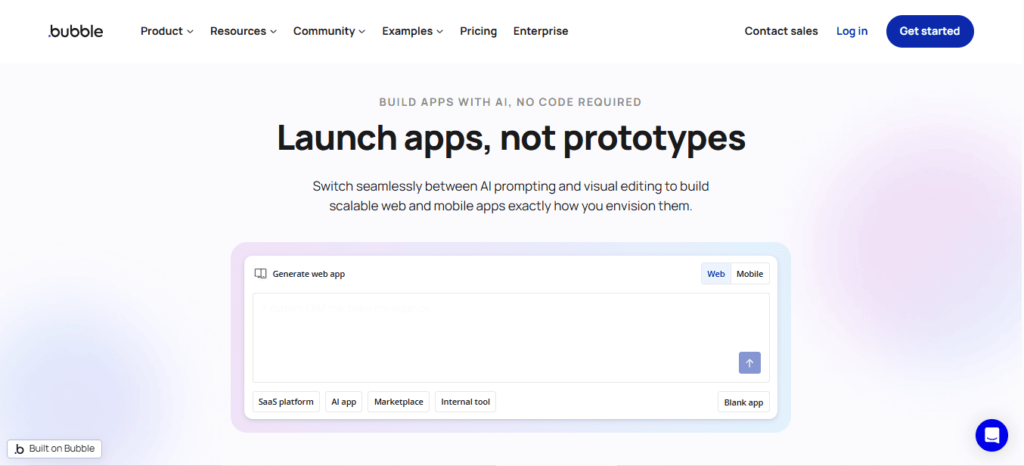
However, it has a steeper learning curve compared to other tools, but if your MVP requires complex logic or scalability, this is the platform to choose.
5. FlutterFlow — Best for Scalable Apps
FlutterFlow is ideal if you want both no-code speed and developer-level scalability.
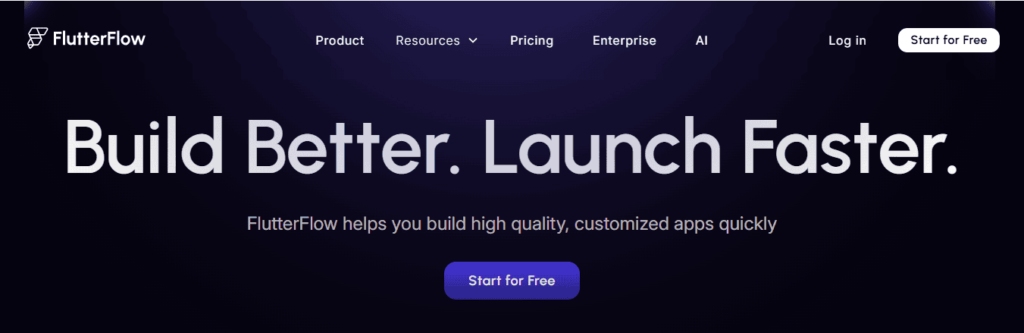
Built on Flutter, it allows you to export code and integrate with Firebase.
This makes it perfect for startups planning to transition from MVP to production-grade apps.
6. Thunkable — Best for Cross-Platform Apps
Thunkable enables you to build apps for both iOS and Android using a block-based system.
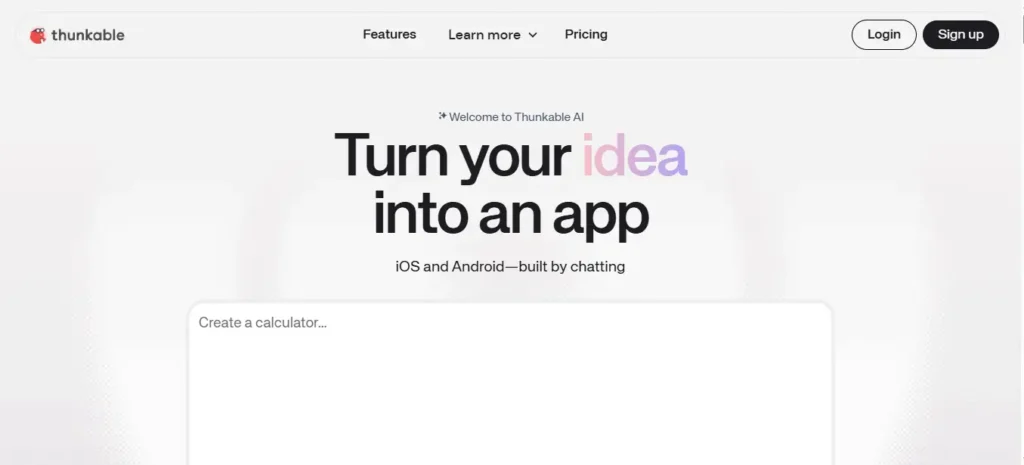
It’s particularly useful for beginners who want to create interactive apps quickly.
Live testing features make iteration and MVP validation faster.
7. Bravo Studio — Best for Design-First MVPs
If you’re a designer or using Figma, Bravo Studio lets you turn designs directly into functional apps.
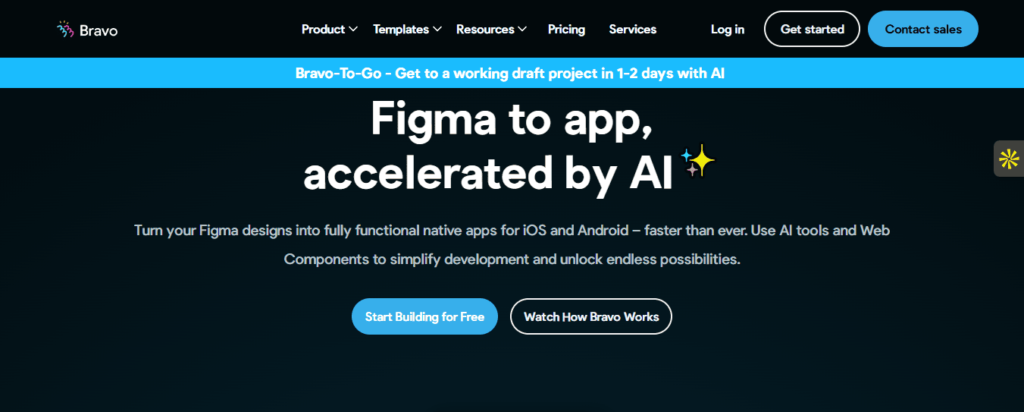
It’s perfect for startups that prioritize UI/UX and want a visually stunning MVP without backend complexity.
Comparison Table of Best No‑Code App Builders
| Tool | Best For | Speed | Complexity | Platform |
|---|---|---|---|---|
| Adalo | Native mobile apps | Fast | Medium | iOS + Android |
| Glide | Spreadsheet apps | Very Fast | Low | Web/PWA |
| Softr | SaaS & portals | Fast | Low | Web |
| Bubble | Complex SaaS | Medium | High | Web |
| FlutterFlow | Scalable apps | Medium | Medium | Web + Mobile |
| Thunkable | Cross-platform apps | Fast | Medium | iOS + Android |
| Bravo Studio | Design-based apps | Fast | Low | Mobile |
Step‑by‑Step: How to Launch an MVP Fast Using a No‑Code App Builder
Launching an MVP doesn’t fail because of lack of ideas, but it fails because founders overbuild before validating.
With the right no-code approach, you can go from concept to real users in days, not months.
Step 1: Define a painful problem worth solving
Before touching any tool, get crystal clear on the problem. Your MVP isn’t about features, it’s about solving one specific pain point.
Instead of building a “feature-rich app,” define a simple outcome like:
“Help freelancers track invoices easily” or “Help gyms manage member bookings.”
The sharper the problem, the faster your MVP will succeed.
Step 2: Choose the right no-code builder
Not all tools are built for the same purpose, so your choice directly impacts speed and scalability.
If you want to build a SaaS product with complex workflows, go with Bubble.
For ultra-fast data-driven apps, Glide is ideal.
If you’re creating client portals or directories, Softr works best.
And for mobile-first apps, Adalo is a strong choice.
The key is simple: don’t pick the most powerful tool—pick the fastest tool for your use case.
Step 3: Sketch your MVP (Don’t Design Yet)
Jumping into design too early is a trap. Instead, map your user flow on paper or a simple tool.
Think in terms of actions:
User signs up → completes one key task → gets value → returns again
This clarity prevents feature overload and keeps your MVP lean.
Step 4: Build only the core feature
This is where most founders go wrong—they try to build everything.
Your MVP should answer one question:
“Will users pay or use this solution?”
If you’re building a booking app, don’t add reviews, chat, or dashboards yet.
Just enable booking. That’s it.
Step 5: Use templates to save time
Most no-code platforms offer ready-made templates. Use them.
Templates reduce development time from weeks to hours. You can customize later, but speed matters more than perfection at this stage.
Step 6: Connect a simple database
Your app needs data, but it doesn’t need complexity.
Use tools like Google Sheets, Airtable, or built-in databases to manage users, products, or listings.
Keep your structure simple so you can iterate quickly.
Step 7: Launch a “Good Enough” version
Perfection delays progress. Launch when your app works—not when it’s perfect.
Early users don’t expect polish—they expect value.
Even a slightly rough MVP can validate your idea if it solves a real problem.
Step 8: Get real user feedback fast
Share your MVP in communities, social media, or directly with your target audience.
Ask simple questions:
- Did it solve your problem?
- What confused you?
- Would you pay for this?
Feedback at this stage is more valuable than any feature you could build.
Step 9: Iterate based on data (Not Assumptions)
Don’t guess—measure.
Track user behavior, drop-offs, and engagement. If users aren’t completing the core action, fix that before adding anything new.
Iteration is where real products are born.
Step 10: Decide — Scale or Pivot
After validation, you’ll reach a critical point:
- If users love it → improve and scale
- If users don’t care → pivot or refine
No-code makes this easy because you can rebuild or tweak quickly without high costs.
No-Code vs Traditional Development (Quick Comparison)
| Feature | No-Code Builders | Traditional Development |
|---|---|---|
| Time to Launch | Days to Weeks | Months |
| Cost | Low | High |
| Flexibility | Medium–High | Very High |
| Technical Skills | Not Required | Required |
| Iteration Speed | Very Fast | Slow |
| Scalability | Moderate (Tool Dependent) | High |
Why Smart Founders Are Joining AppNatively (Before It Even Launches)
If you’re serious about launching an MVP fast, this is where you should pay attention.
AppNatively is an upcoming no-code app builder designed specifically for founders who don’t want to waste months figuring out complex tools.
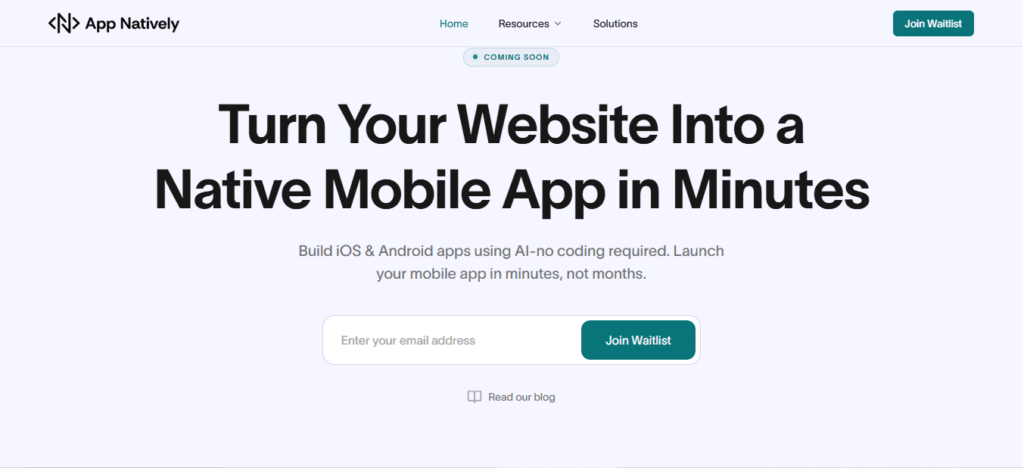
While platforms like Bubble or Glide are powerful, they often come with a learning curve that slows down execution, exactly what early-stage startups can’t afford.
AppNatively is being built with one core philosophy: launch faster with less friction. That means a cleaner interface, simplified workflows, and a system focused on helping you go from idea → MVP → users in the shortest possible time.
What makes it exciting (and why early adopters are paying attention) is its founder-first approach.
Instead of overwhelming you with endless features, it focuses on what actually matters at the MVP stage—speed, simplicity, and real validation.
Since it’s currently under development, there’s a unique opportunity here. Early users who join the waitlist are likely to get early access, exclusive perks, and a chance to shape the product itself.
If you’re planning to build an MVP anytime soon, joining now could give you a serious head start once it goes live.
👉 The smartest move right now? Get on the waitlist before everyone else catches on.