
Insights, product updates, and tutorials on building high-performance native mobile apps without code.

Fixing App Store submission errors for Shopify apps is one of the most important steps in getting your app approved and published successfully. Shopify’s App Review team evaluates every submitted app against strict requirements related to functionality, security, performance, user experience, billing, and merchant value. Even small mistakes such as missing documentation, broken installation flows, ...

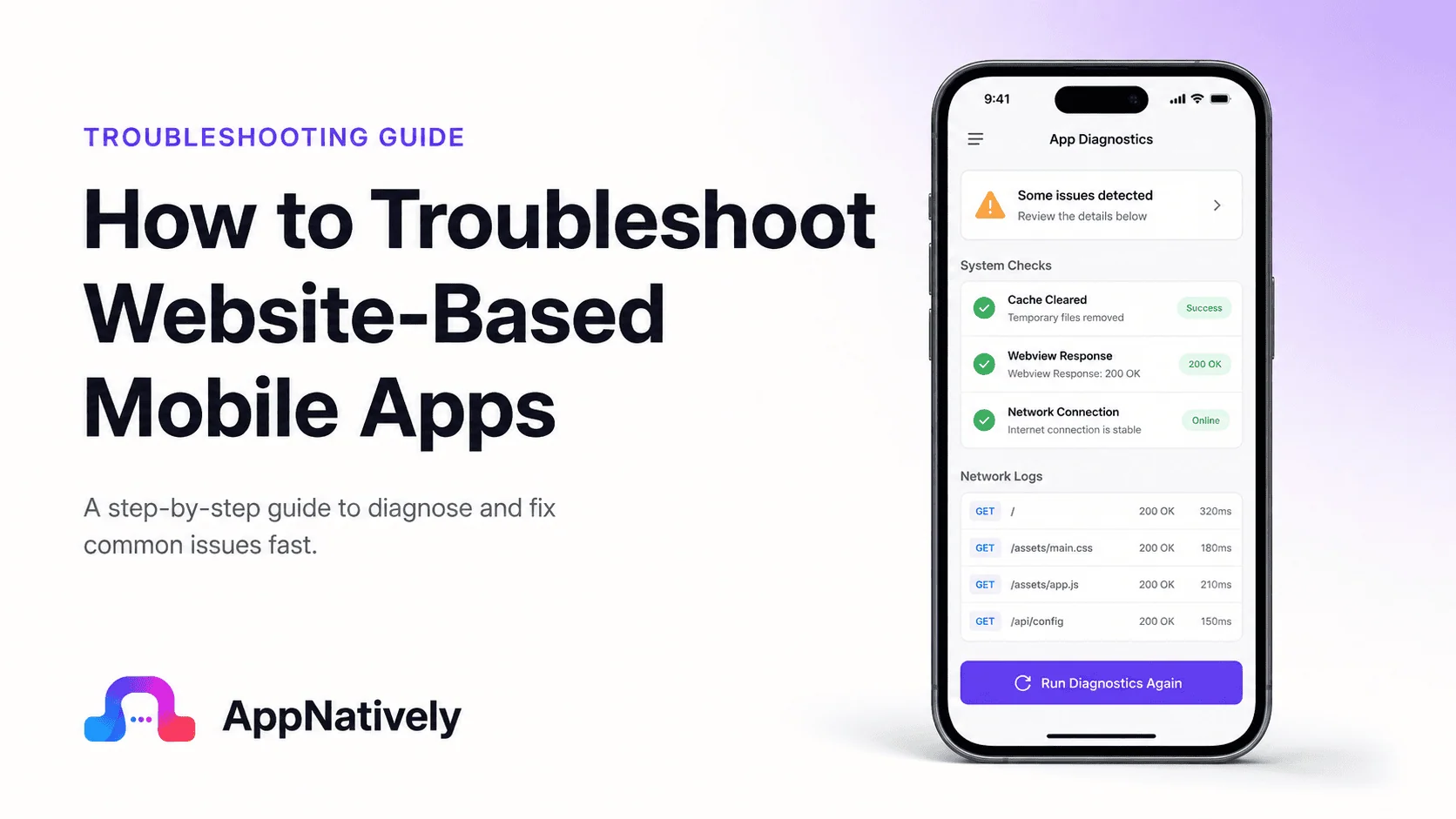
Preview functionality is one of the most important features in any Native App Builder. It allows developers to test layouts, user interactions, navigation flows, and application performance before deployment. However, encountering preview errors can interrupt development and make debugging difficult. Whether your app preview fails to load, displays a blank screen, crashes unexpectedly, or shows ...

Mobile apps commonly fail to publish because of policy violations, incomplete store listings, privacy issues, crashes, broken functionality, misleading metadata, or security concerns. Both Google Play and Apple App Store enforce strict review guidelines, and even minor mistakes can result in rejection, delays, or suspension. Fortunately, most publishing issues can be identified and fixed before ...

Building custom applications for WordPress and Shopify has become easier than ever. Modern no-code and low-code app builders allow businesses to launch customer portals, inventory systems, booking platforms, automation tools, and eCommerce enhancements without extensive coding knowledge. However, many businesses quickly discover that their WordPress or Shopify app builder is not delivering the results they ...

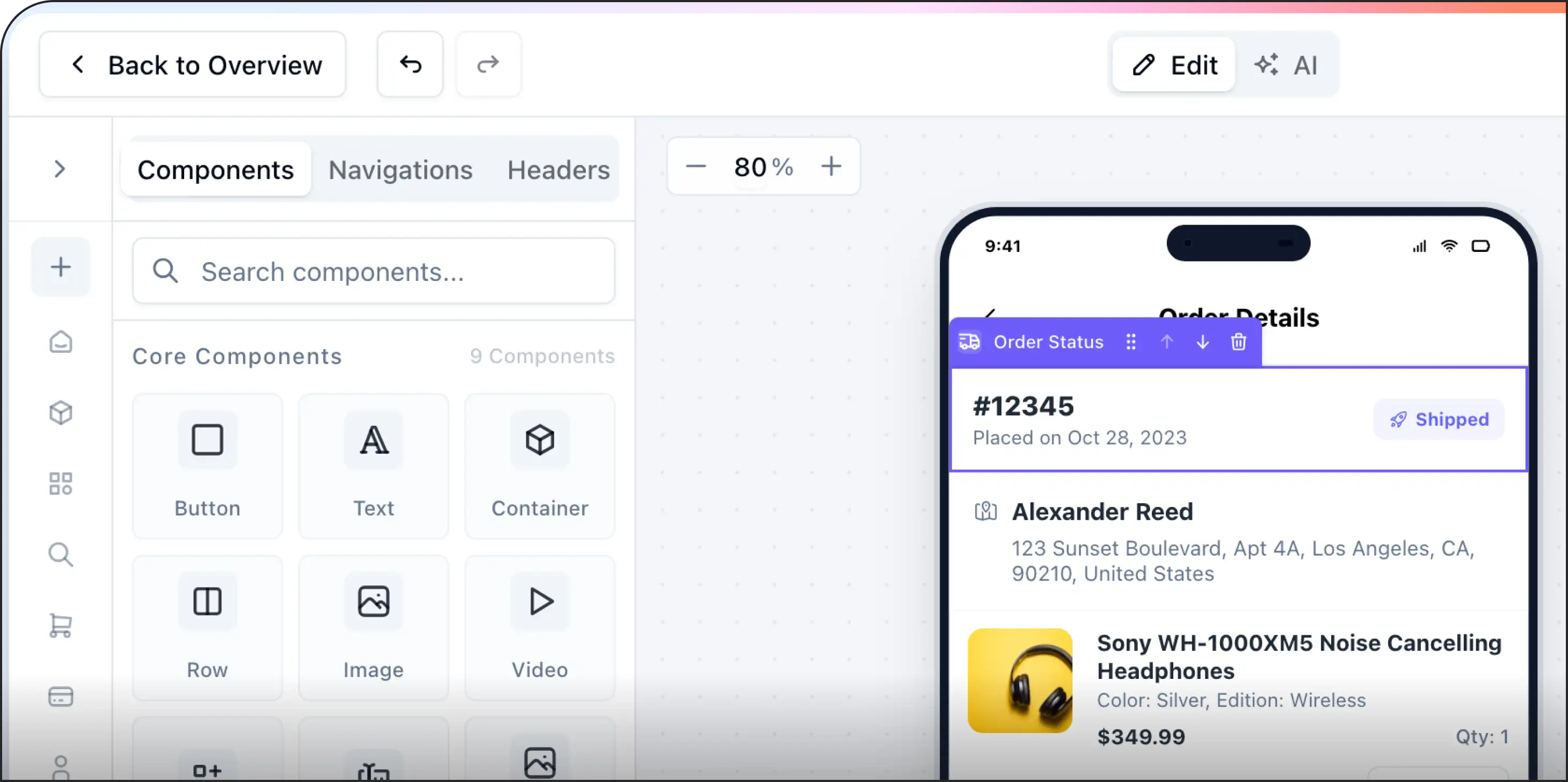
Drag-and-drop app builders often break due to simple configuration issues such as misconfigured workflows, incorrect data bindings, or hidden UI elements. To fix these issues, you must first identify whether the problem is related to layout, logic, or data. Then systematically test each layer, starting from UI visibility, moving to event triggers, and finally checking ...

The digital marketing landscape has changed dramatically over the past few years. Consumers are overwhelmed by crowded inboxes, promotional emails, newsletters, and automated campaigns competing for their attention every day. As a result, email open rates have become increasingly difficult to maintain, and businesses are searching for more effective ways to connect with their audiences. ...

Every Shopify store owner knows that mobile commerce is dominating online shopping. With the majority of customers browsing, comparing, and purchasing products from their smartphones, many brands believe that having a responsive mobile website is enough to stay competitive. Unfortunately, that’s where a costly mistake begins. While mobile websites provide convenience, they often fail to ...

Launching an e-commerce app used to require hiring developers, managing complex code, and spending thousands of dollars before making a single sale. For many entrepreneurs, small businesses, and online store owners, these technical barriers made mobile commerce seem out of reach. The challenge is even greater in 2026. Mobile shopping continues to dominate online sales, ...

The direct-to-consumer (DTC) landscape is more competitive in 2026 than ever before. Rising acquisition costs, shorter attention spans, stricter privacy rules, and platform dependency risks are forcing brands to rethink how they build customer relationships. For years, brands relied heavily on social media ads, email campaigns, and mobile-responsive storefronts. But customer expectations have evolved. Shoppers ...

A Shopify native app builder is essential for creating powerful, scalable, and merchant-friendly eCommerce solutions inside the Shopify ecosystem. As online stores continue to demand better automation, seamless integrations, faster performance, and personalized customer experiences, developers must focus on building feature-rich native apps that solve real business challenges. The best Shopify native app builders are ...

Shopify brands are increasingly shifting from mobile websites to native apps because the numbers behind retention and conversion are hard to ignore. Across ecommerce, repeat purchase rates from app users are consistently higher than mobile web users, largely because apps remove friction at checkout and keep customers continuously engaged through push notifications and personalized experiences. ...

Drag-and-drop app builders are tools that let people create apps and websites visually, without writing traditional code. Instead of typing programming commands, users build applications by dragging elements like buttons, text boxes, images, and menus onto a screen and arranging them like building blocks. Behind the scenes, these platforms automatically convert the visual design into ...
Be the first to know when your app is ready.
Join 2,000+ creators waiting to get our one-time big discount