7 Best Glide Alternatives for More Customization in 2026

No-code development has transformed how entrepreneurs, startups, and creators build digital products.
Platforms like Glide made it incredibly easy to turn spreadsheets into functional apps without writing code. For quick internal tools or simple MVPs, Glide works well.
However, as applications grow, many builders begin to face limitations. Users often need more control over UI design, deeper workflow logic, advanced integrations, and scalable infrastructure. These limitations lead many developers to search for Glide alternatives that provide stronger customization and flexibility.
Fortunately, the no-code ecosystem has evolved rapidly. Modern platforms such as Bubble, FlutterFlow, and Adalo offer powerful visual builders capable of creating complex apps without traditional programming.
In this guide, we will explore the best Glide alternatives for more customization, helping you choose the right platform to build scalable web and mobile applications.
Why Many Builders Search for Glide Alternatives
Although Glide is beginner-friendly, several factors push users to explore other options.
1. Limited UI customization
Glide offers pre-built components that make development simple. However, these components also limit the design flexibility available to developers.
Brands that want highly customized interfaces or unique user experiences may struggle with these limitations.
2. Spreadsheet dependency
Glide apps rely heavily on spreadsheet-style databases. While this approach works well for simple projects, it becomes difficult to manage when applications require complex relational data.
3. Workflow restrictions
Advanced applications require conditional logic, automation triggers, and workflow branching.
Some Glide users eventually move to platforms with stronger workflow engines.
4. Scalability challenges
As apps grow in traffic and complexity, many founders prefer platforms with stronger infrastructure and backend flexibility.
Because of these limitations, the demand for Glide alternatives continues to grow in the no-code ecosystem.
Key Features to Look for in a Glide Alternative
Choosing the right platform requires understanding the capabilities that matter most.
Advanced UI customization
The best no-code platforms allow complete control over layout, styling, typography, and branding.
This enables developers to create unique user experiences that match their product vision.
Flexible databases
Apps with complex data relationships require structured databases rather than spreadsheet-based storage.
Platforms that support relational databases allow more powerful data modeling.
Workflow automation
Advanced automation features enable creators to build conditional logic, triggers, and automated workflows that make apps dynamic and interactive.
Native mobile app support
Some builders generate real Android and iOS apps rather than simply converting web pages into mobile interfaces.
Integrations and APIs
A strong integration ecosystem allows connections with payment gateways, automation tools, analytics platforms, and third-party services.
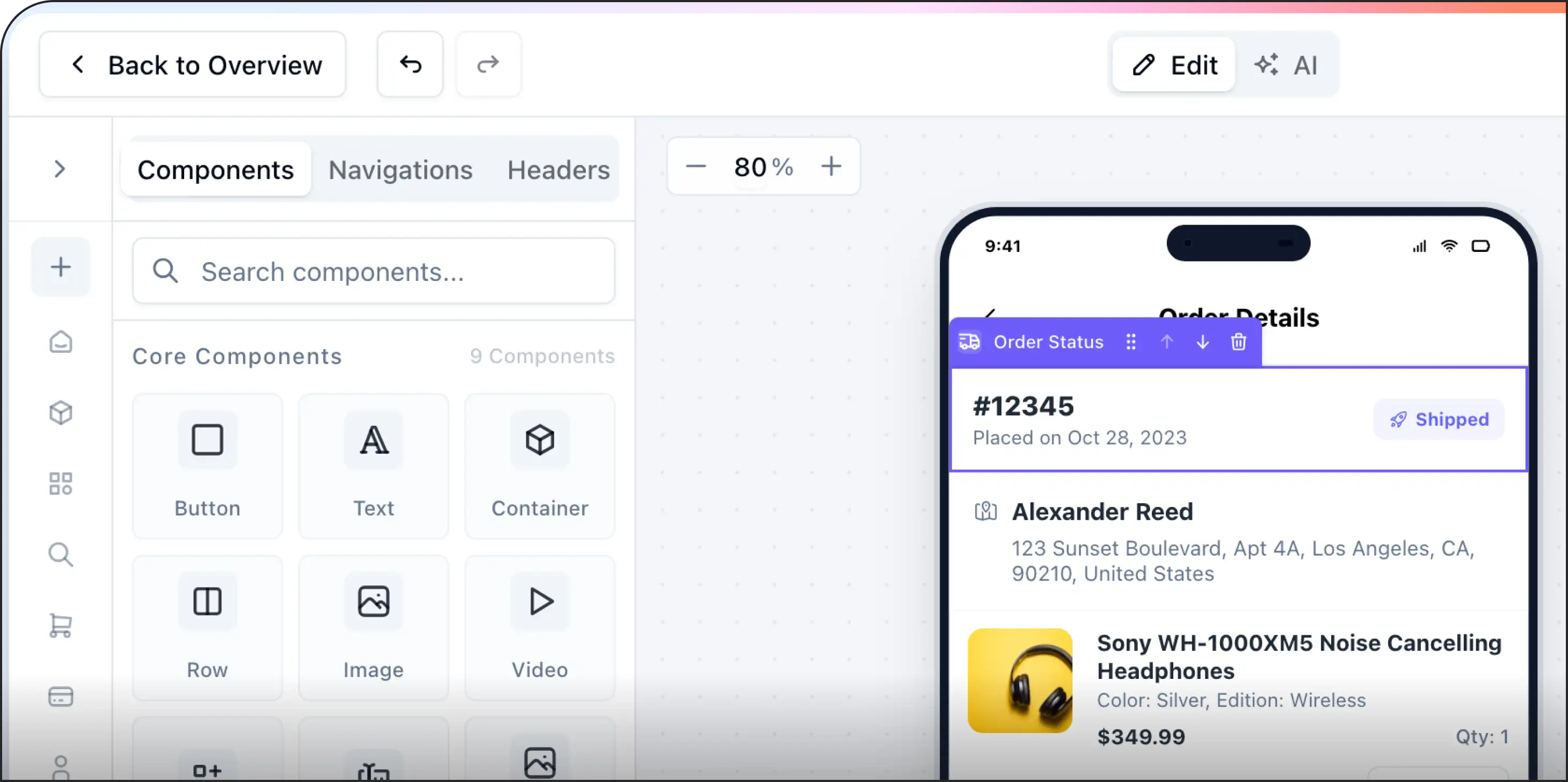
AppNatively — The Most Affordable Glide Alternative (Join the Early Access Waitlist)
AppNatively is an upcoming no-code platform designed to help founders, creators, and startups build fully functional mobile apps without expensive development costs.
While many no-code builders charge high monthly subscriptions, AppNatively is being built with a different vision: making powerful mobile app development affordable and accessible to everyone.
The platform is currently under development and is accepting early users through a waitlist, giving founders a chance to get early access before the official launch.
The Founder Story Behind AppNatively
Every great product starts with a problem that someone experienced personally.
The idea behind AppNatively came from a simple frustration shared by many founders and creators.
Building a mobile app often requires hiring developers, managing long development cycles, and spending thousands of dollars before even launching a minimum viable product.
Many entrepreneurs tried no-code platforms like Glide to simplify the process. While these tools helped launch simple apps quickly, creators often discovered limitations once their ideas started growing.
Customization options could feel restrictive, pricing could increase as projects scaled, and building fully featured mobile apps sometimes required switching platforms.
The founders of AppNatively believed there should be a better way.
Instead of forcing creators to choose between simplicity and power, they envisioned a platform that could combine ease of use, flexibility, and affordability in a single app builder.
The goal was simple: make mobile app development accessible to anyone with an idea, not just developers or well-funded startups.
That vision is what led to the creation of AppNatively.
Why We’re Building AppNatively
The mission behind AppNatively is rooted in one belief: great ideas shouldn’t be limited by technical barriers or high development costs.
Today, launching a mobile app can still be expensive and complicated for many founders. Even with the rise of no-code tools, creators often face trade-offs between affordability, customization, and scalability.
Some platforms are easy to use but lack flexibility. Others are powerful but require steep learning curves or expensive subscriptions.
AppNatively is being built to bridge that gap.
The vision is to create a platform where creators can design mobile apps visually, customize their products freely, and launch applications without needing a large development budget.
Instead of targeting only developers or enterprise teams, AppNatively focuses on empowering entrepreneurs, indie makers, startups, and small businesses.
By prioritizing affordability and accessibility, the platform aims to help more people turn ideas into real products.
That’s why the team is currently inviting early adopters to join the waitlist and become part of the journey before the official launch.
For creators who believe the future of software should be faster, more accessible, and more affordable, AppNatively represents an exciting step forward.
Best Glide Alternatives for More Customization
1. Bubble
Bubble is widely considered one of the most powerful no-code platforms available today.
Unlike Glide, Bubble allows users to build complete web applications with custom databases, advanced workflows, and complex integrations.
This flexibility makes it a popular choice among startups building SaaS platforms, marketplaces, and social apps.
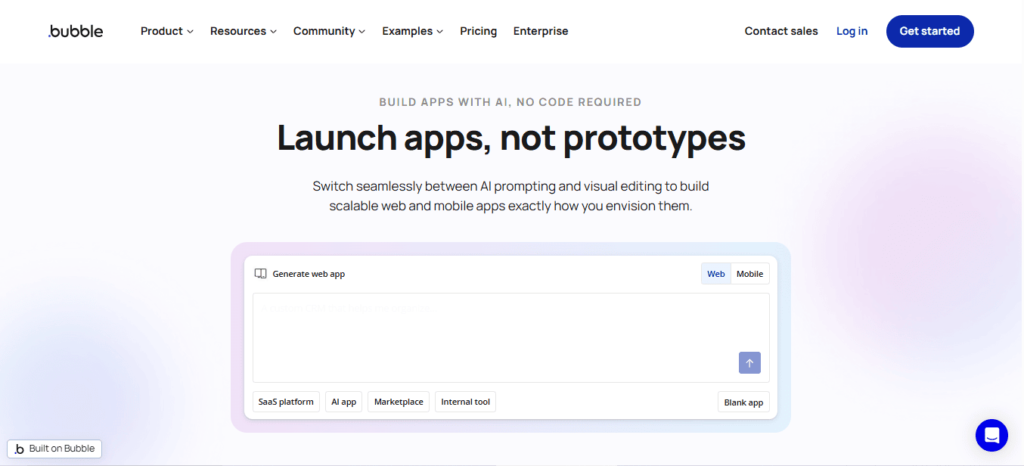
Bubble’s visual programming interface allows developers to define logic, triggers, and workflows without writing code.
However, the platform does have a steeper learning curve compared to beginner-focused tools.
For builders willing to invest time learning the platform, Bubble provides nearly unlimited customization.
2. FlutterFlow
The rise of platforms like FlutterFlow shows how no-code tools are evolving to support production-grade mobile apps.
Compared to Glide, FlutterFlow offers far greater control over UI design, layout customization, and app functionality.
Developers can create sophisticated mobile experiences that feel similar to traditionally coded applications.
Another major advantage is code export. Users can export the Flutter code generated by the platform, allowing developers to continue development outside the tool if needed.
This flexibility makes FlutterFlow one of the best Glide alternatives for startups building scalable mobile apps.
3. Adalo
Adalo is a popular mobile app builder that focuses on ease of use while still offering customization features.
Adalo allows users to design mobile interfaces visually, connect databases, and integrate third-party services.
Its drag-and-drop interface makes it accessible for beginners while still supporting more advanced features.
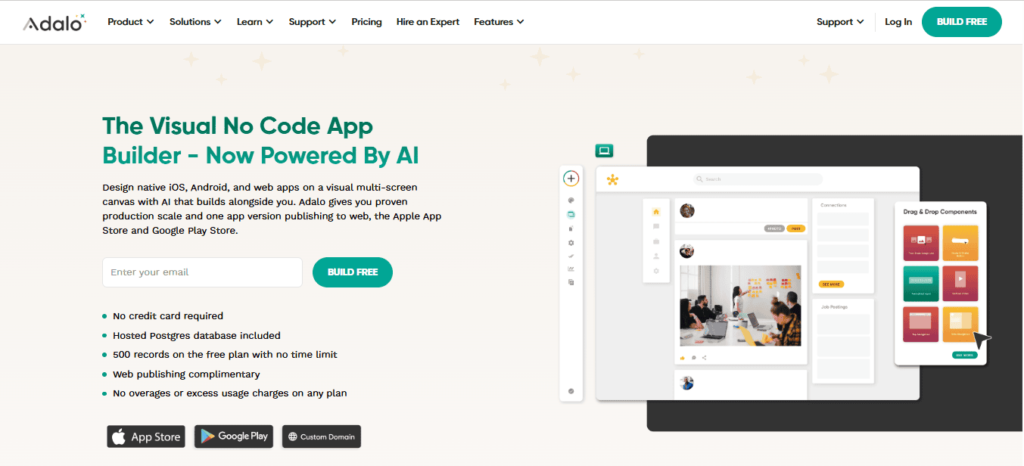
Many founders use Adalo to launch MVP mobile apps quickly before scaling to more complex platforms.
4. Softr
Softr is commonly used for building web apps, marketplaces, and membership portals powered by external databases like Airtable.
Compared to Glide, Softr offers more flexible UI blocks and stronger integration capabilities.
Businesses often use it to create directories, internal tools, and client portals.
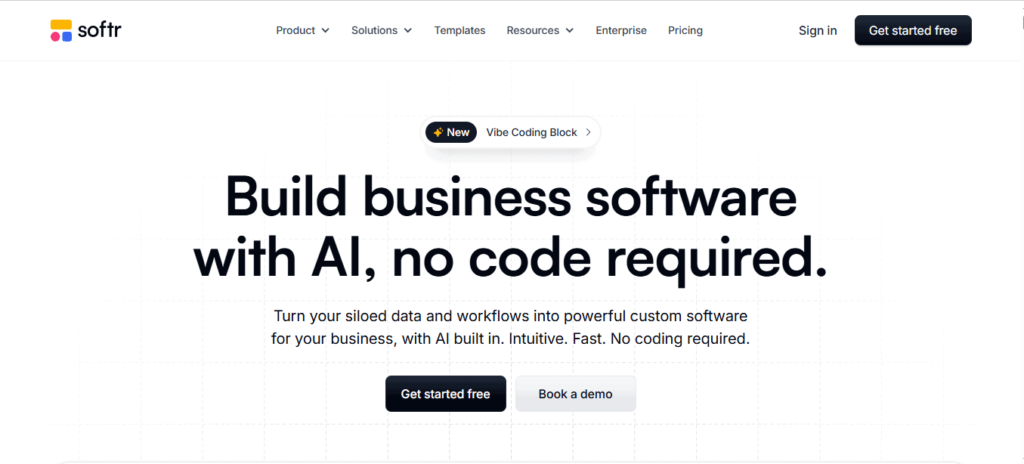
For teams building web-based platforms rather than mobile apps, Softr is a powerful Glide alternative.
5. Draftbit
Draftbit focuses on building mobile apps using React Native.
Draftbit provides strong design customization and allows developers to export code.
This makes it suitable for teams that want to transition from no-code to traditional development later.
6. Thunkable
Thunkable allows users to create mobile apps using a visual block-based interface.
The platform supports both Android and iOS development and offers integration options for APIs and third-party services.
While simpler than some advanced builders, Thunkable still provides more customization flexibility than Glide.
Glide vs Glide Alternatives: Detailed Comparison
| Feature | Glide | Alternatives |
|---|---|---|
| Custom UI | Limited | Advanced |
| Workflow Logic | Basic | Advanced |
| Database | Spreadsheet | Structured Database |
| Native Apps | Limited | Supported |
| Scalability | Moderate | High |
This comparison highlights why many developers eventually transition to more powerful platforms.
Best Glide Alternatives for Startups
Startups often prioritize speed, affordability, and scalability.
Platforms like AppNatively and FlutterFlow are popular choices because they allow founders to build complex products while maintaining flexibility for future growth.
Adalo is also commonly used for building MVP mobile apps before scaling.
When You Should Switch from Glide
You should consider switching platforms if your project requires:
• advanced automation workflows
• relational databases
• custom UI design
• scalable infrastructure
• advanced integrations
At this stage, a more powerful app builder will provide the flexibility needed to grow your product.
Future of No-Code App Development
The no-code ecosystem is evolving rapidly.
Platforms are no longer limited to simple website builders. They now support the development of complex products such as SaaS platforms, marketplaces, AI tools, and scalable mobile applications.
As these technologies continue to improve, the gap between traditional coding and no-code development will continue to shrink.
This evolution will make it easier for entrepreneurs and creators to launch powerful digital products without large engineering teams.
Final Thoughts
Glide remains one of the easiest platforms for building simple apps quickly. However, many founders eventually require more advanced customization, scalability, and workflow flexibility.
Platforms like AppNatively, Bubble, FlutterFlow, Adalo, and Softr provide powerful alternatives that enable developers to build more sophisticated applications without coding.
By choosing the right tool for your project, you can create scalable apps that grow alongside your business.
Frequently Asked Questions ( FAQs)
Best Glide Alternatives for Mobile Apps
For developers building mobile-first applications, tools that generate native apps are usually the best choice.
AppNatively, FlutterFlow and Draftbit stand out because they provide advanced UI customization and strong performance.
Best Glide Alternatives for Internal Tools
Businesses building internal dashboards, directories, or team tools often prefer Softr because of its integration with Airtable and easy UI customization.
Which Glide alternative offers the most customization?
AppNatively, Bubble and FlutterFlow are widely considered the most customizable platforms in the no-code ecosystem.
Are Glide alternatives beginner friendly?
Yes. Platforms like AppNatively, Adalo and Softr are designed for beginners while still offering greater flexibility than Glide.
Can no-code platforms build real mobile apps?
Yes. Platforms such as AppNatively, FlutterFlow, Draftbit, and Thunkable allow users to build real Android and iOS apps without coding.
Are no-code platforms suitable for startups?
Yes. Many startups launch MVPs using no-code platforms before transitioning to traditional development.
Related posts