

No-code directory app builders are platforms that allow you to create fully functional mobile apps for directory websites without writing any code.
These tools provide drag-and-drop interfaces, integrations with directory plugins, and features like push notifications, monetization, and real-time syncing.
The best no-code directory app builders include solutions that support WordPress directories, marketplace apps, and scalable business listings with minimal effort and cost.
What is a No-Code Directory App Builder? (Deep Dive)
A no-code directory app builder is a platform designed to transform structured data (like listings, categories, locations, and user profiles) into a fully functional mobile application without requiring programming knowledge.
But to truly understand their power, you need to look beyond the surface definition.
The core architecture behind no-code builders
At their core, these platforms operate on three essential layers:
1. Data layer
This is where your directory content lives—listings, user data, categories, reviews, and more. Most builders either:
Connect directly to your existing website database (e.g., WordPress)
Provide a built-in database
Sync with external data sources like APIs or spreadsheets
2. Logic layer
This defines how your app behaves:
- User authentication
- Search and filtering logic
- Booking or messaging systems
- Payment and monetization workflows
3. Presentation layer
This is what users interact with:
- UI design
- Navigation structure
- Listing pages
- User dashboards
No-code builders give you visual control over all three layers—something that previously required multiple developers and tools.
Convert your website into an iOS & Android app in 60 seconds (Join waitlist)
Why You Should Use a No-Code App Builder for Directory Apps
i. Faster time to market
Traditional app development can take months. No-code tools reduce this to days or even hours, allowing you to launch quickly and validate your idea.
ii. Cost efficiency
Hiring developers is expensive. No-code platforms eliminate development costs while still offering professional-grade results.
iii. Scalability
Modern no-code tools are built for growth. You can handle thousands of listings, users, and transactions without performance issues.
iv. Easy customization
You can customize layouts, colors, features, and user experience without needing technical skills.
v. Seamless integration
Most builders integrate with popular directory plugins, enabling smooth data synchronization between your website and mobile app.
Best No-Code Directory App Builders (Latest Edition)
Here are some of the best no-code directory app builders right now — each with different strengths depending on whether you’re building a startup directory, business listing app, or marketplace.
1. Softr
Softr is one of the easiest ways to build a directory app quickly. It connects directly to data sources like Airtable, Google Sheets, and Notion, then turns that data into a polished web app with search, filters, categories, and user accounts.
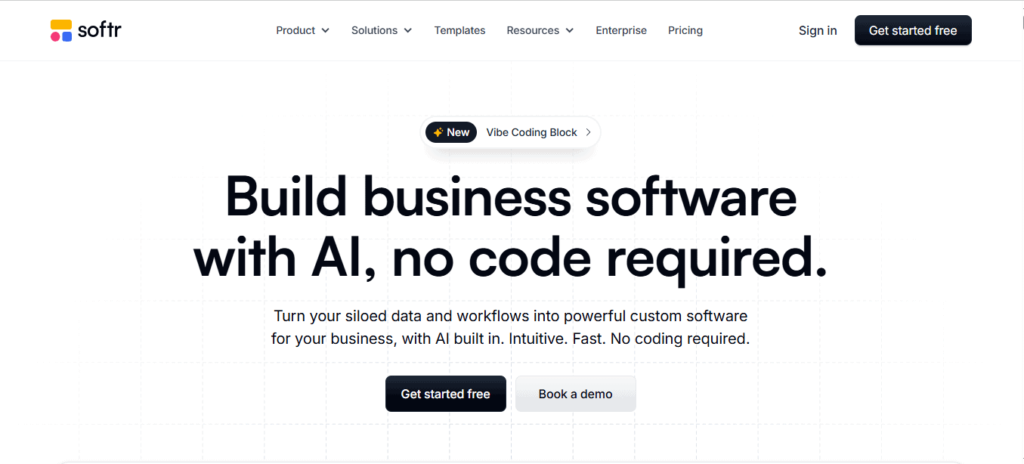
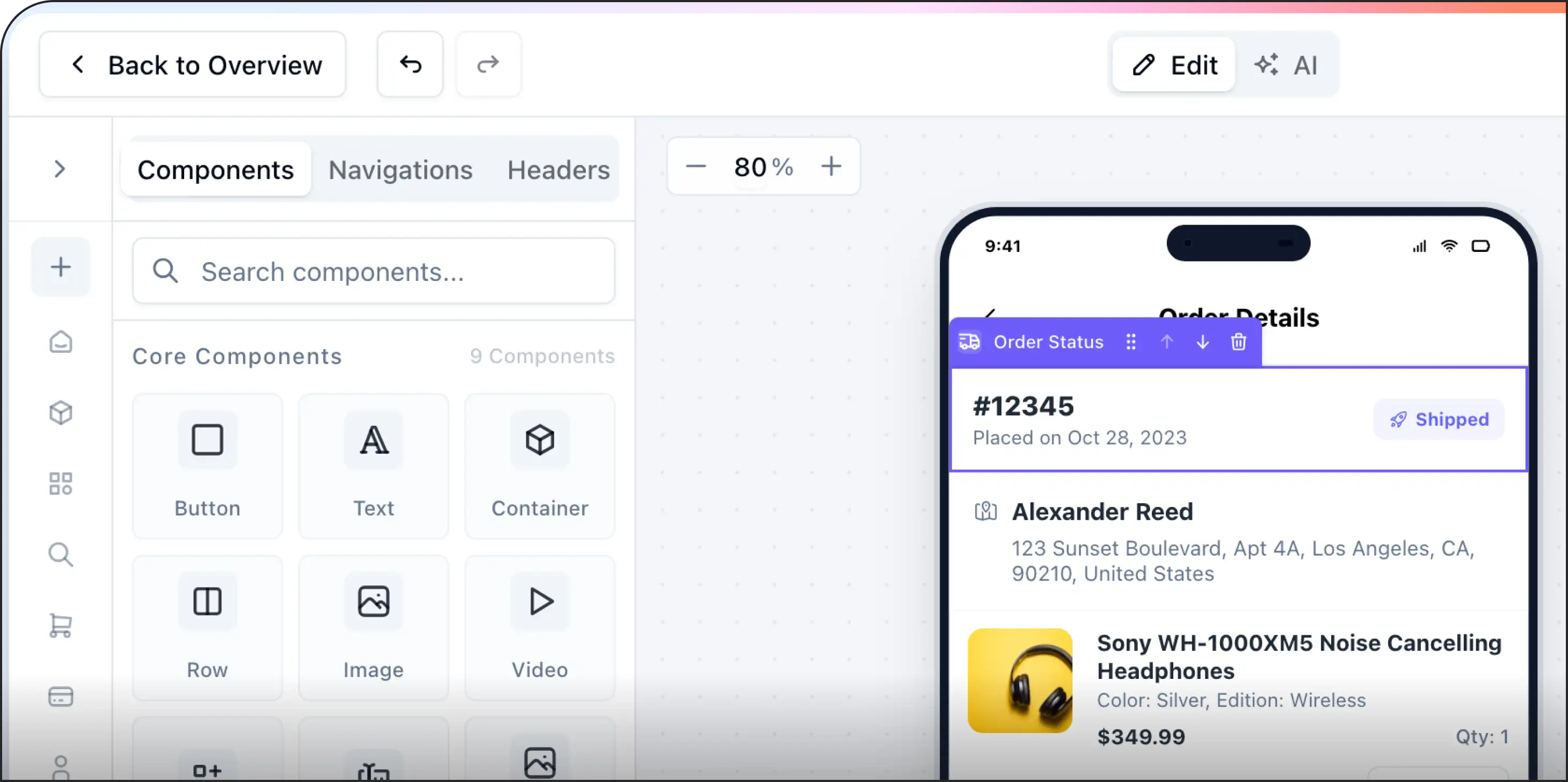
The interface is block-based, so you can drag components like listing grids, profiles, maps, and forms onto your page without touching code.
What makes Softr especially strong for directories is how fast you can go from spreadsheet to working product.
You can also add paid listings, memberships, and gated content, which makes it useful if you’re planning to monetize your directory later.
Many founders use Softr to launch startup directories, SaaS directories, and niche community directories within a day or two. ✨
2. Glide
Glide is particularly strong if you want your directory to feel like a mobile app. It builds clean, fast interfaces automatically and syncs with Google Sheets, Airtable, or Glide’s built-in database.
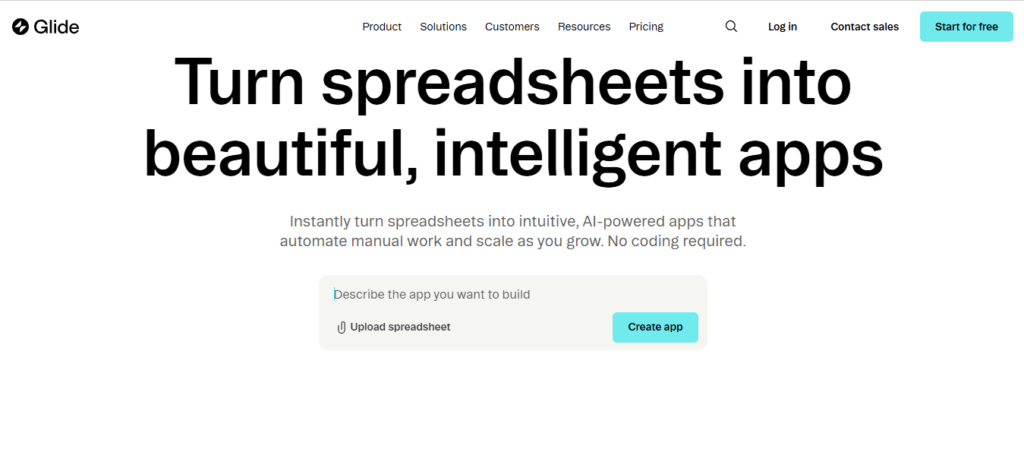
The UI components are very polished, and adding filters, search, and categories is straightforward.
Glide works really well for local directories, community listings, school directories, and internal company directories.
It’s also beginner-friendly, so if you’re new to no-code tools, Glide is one of the easiest places to start.
The downside is that deep customization is more limited compared to more advanced platforms, but for most directory apps, it’s more than enough.
3. Bubble
Bubble is the most powerful option if you’re planning something more complex.
Instead of just building a directory, you can build a full platform with user dashboards, payments, messaging, and advanced filtering. Bubble uses a visual programming system that lets you create workflows and logic without writing code.
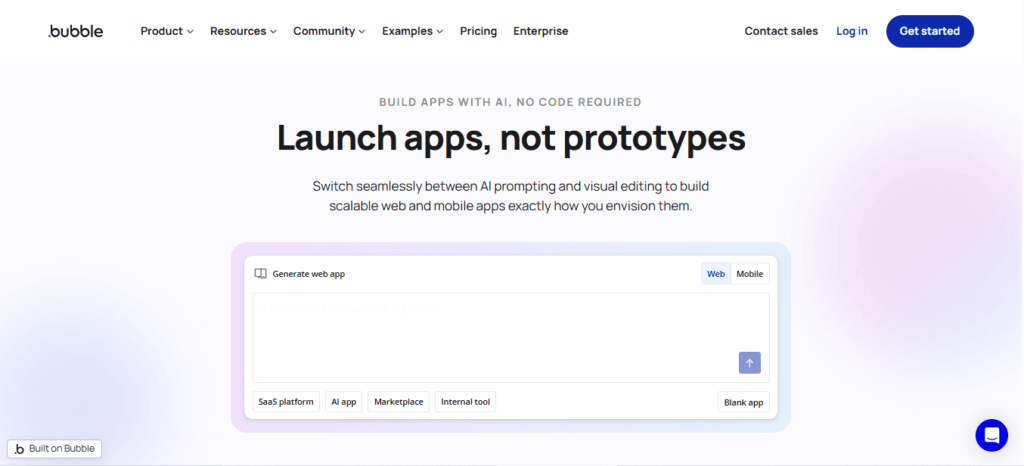
This makes Bubble ideal for marketplace directories, paid listing platforms, or startup directories that may evolve into full products.
The learning curve is steeper than Softr or Glide, but the flexibility is unmatched. If you’re thinking long-term and want full control, Bubble is often the best choice.
4. Adalo
Adalo is designed for building real mobile apps without code. If your directory needs to be published on the App Store or Google Play, Adalo is a strong option.
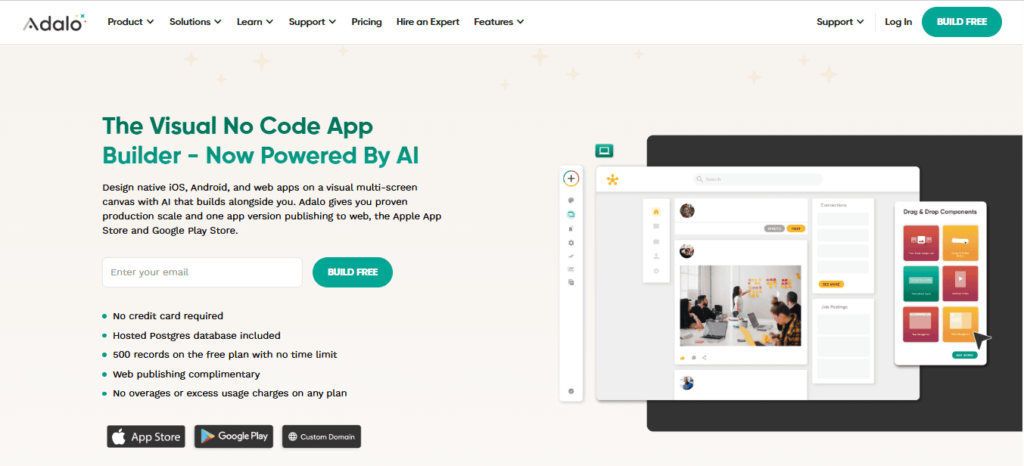
You can create listings, categories, profiles, and user accounts, all with drag-and-drop components.
Adalo is commonly used for local business directories, service marketplaces, and community apps.
It’s not as powerful as Bubble, but it’s easier to learn and better suited for mobile-first directories.
AppNatively — The Premium Choice for Native Directory Apps (Join Waitlist)
AppNatively sits in a category of its own. Unlike most no-code builders that create web apps or hybrid apps, AppNatively focuses on true native mobile apps, meaning your directory feels faster, smoother, and more professional right out of the box.
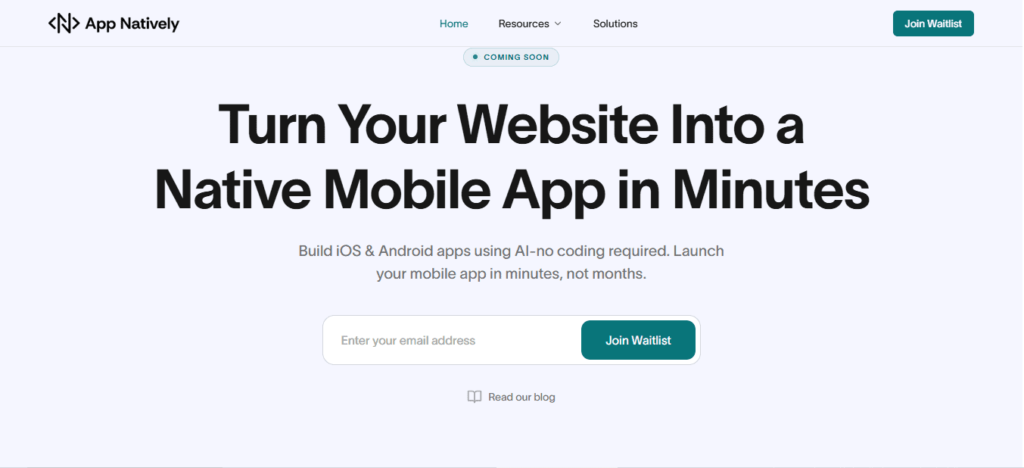
This makes it especially appealing if you’re building something premium, such as an exclusive startup directory, luxury business directory, or private membership directory.
What makes AppNatively stand out is its performance-first approach. You’re not just creating listings, but you’re building a real mobile experience with native navigation, push notifications, offline support, and smooth UI interactions.
This is particularly valuable if your directory relies on user engagement, repeat visits, or a curated community.
AppNatively also works well for founders who want to position their directory as high-end or invite-only.
The platform supports gated access, user authentication, and custom onboarding flows, which allows you to create that “exclusive club” feel rather than just another public listing website.
If you’re building something that needs to feel exclusive, polished, and mobile-native at an affordable price, AppNatively becomes one of the most compelling choices in the market.
Frequently Asked Questions (FAQs)
What is the best no-code directory app builder in 2026?
AppNatively is one of the best options for converting directory websites into mobile apps, while Adalo and Bubble are good ones.
Can I convert my WordPress directory into an app?
Yes, tools like AppNatively allow seamless conversion with real-time syncing.
How long does it take to build a directory app?
With no-code tools, you can launch within days instead of months.
Is no-code scalable for large directories?
Yes, modern platforms support thousands of listings and users.
How do directory apps make money?
Through subscriptions, featured listings, ads, and lead generation.