Best App Builders With Free Plans in 2026 (Build Apps Without Coding)

The app builders with free plans allow entrepreneurs, startups, and creators to build mobile or web apps without writing code or spending thousands on development.
These platforms provide drag-and-drop interfaces, prebuilt templates, and powerful integrations so users can launch applications quickly.
Many modern no-code app builders now offer free tiers that help users design, test, and validate their ideas before upgrading to paid plans.
And, this makes them ideal for startups building MVPs, small businesses launching digital products, or individuals experimenting with app ideas.
In this guide, we review the best app builders with free plans in 2026, comparing their features, flexibility, and scalability.
Whether you want to build a native mobile app, a web app, or a startup MVP, these tools make the process significantly easier and more affordable.
Why Free App Builders Are Becoming Popular
1. Startups need faster MVP development
Launching a startup used to require large development budgets and months of engineering work. Today, no-code app builders allow founders to build and launch MVPs in days instead of months.
This rapid development cycle helps entrepreneurs test product ideas, gather feedback, and iterate quickly without risking huge financial investments.
2. Lower development costs
Hiring developers to build a mobile app can cost anywhere from $5,000 to $100,000 depending on complexity.
Free app builders remove this barrier by allowing users to start building applications without upfront costs.
Many founders now use free plans to create prototypes before upgrading when their apps gain traction.
3. Perfect for beginners and non-technical founders
The biggest advantage of modern app builders is accessibility. Even people with zero coding knowledge can create functional applications using visual interfaces.
This shift has democratized app development and opened the door for more creators to build digital products.
Key Features to Look for in a Free App Builder
Drag and drop interface
A visual builder is one of the most important features for beginners. Drag-and-drop interfaces allow users to design app screens, workflows, and features without writing code.
This dramatically reduces the learning curve for new users.
Native mobile app publishing
Some app builders create real Android and iOS apps, while others generate progressive web apps. If publishing to app stores is important, this feature should be a priority.
Prebuilt templates and components
Templates help users launch apps quickly. Instead of designing everything from scratch, users can customize existing layouts for marketplaces, communities, booking systems, and more.
Scalability
The best app builders allow users to start with free plans and gradually scale their apps as their user base grows.
Best App Builders With Free Plans in 2026
1. AppNatively – Best Affordable Platform for Real Mobile Apps
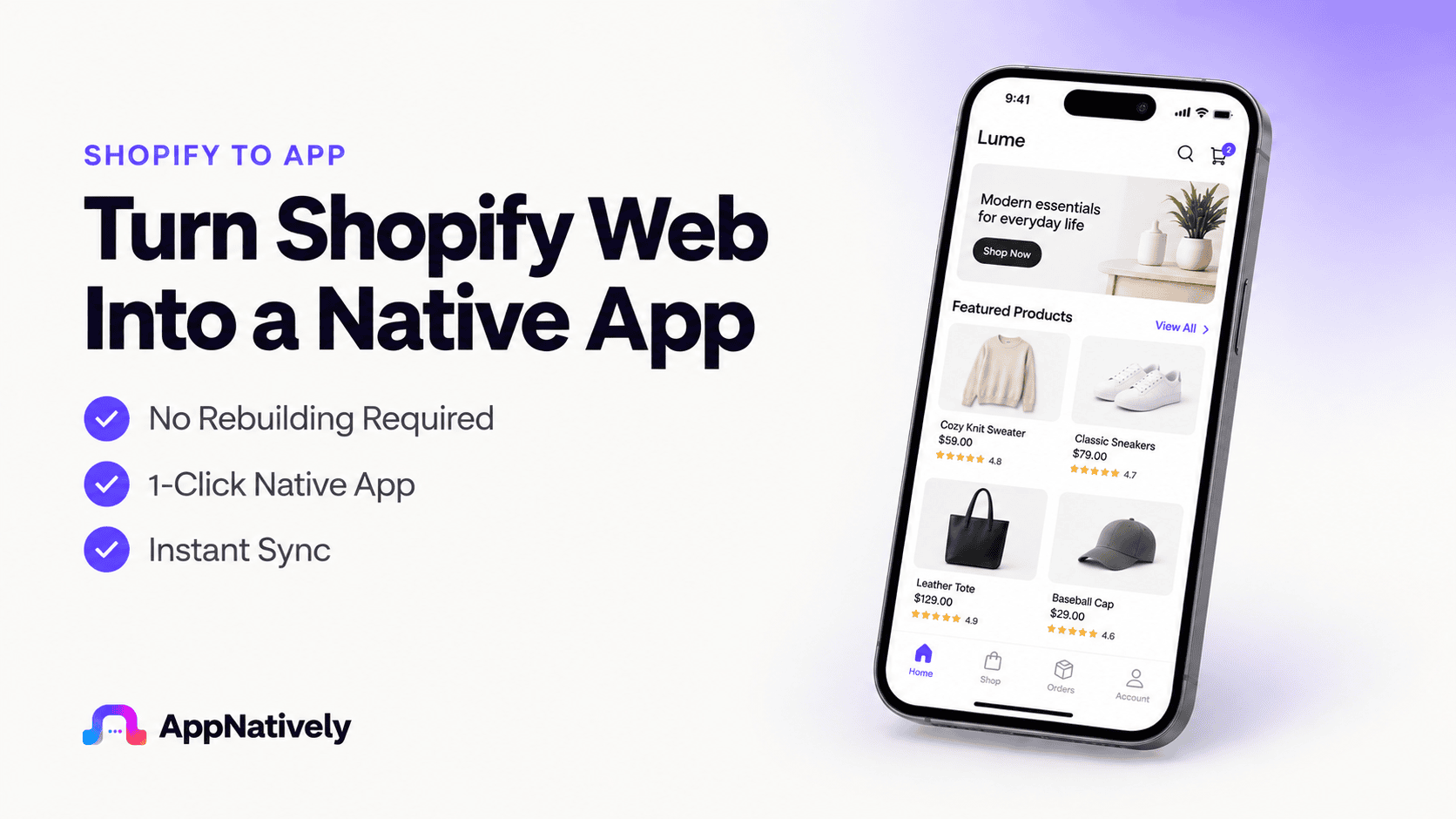
AppNatively is quickly emerging as one of the most promising app builders for startups and entrepreneurs who want to launch native mobile applications without expensive development.
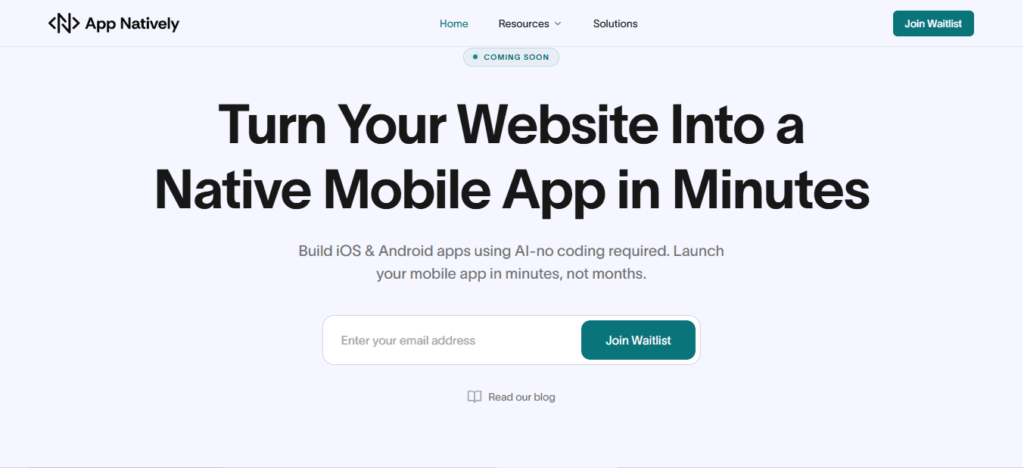
Unlike many no-code tools that only generate web apps, AppNatively focuses on building real mobile applications while maintaining an extremely affordable pricing model.
Why AppNatively Stands Out
One of the biggest challenges with traditional app builders is the cost of publishing real mobile apps.
AppNatively solves this problem by providing a streamlined workflow that allows creators to transform their projects into mobile applications quickly.
For founders who want to launch mobile apps without hiring developers, this platform provides an accessible entry point.
Key Features
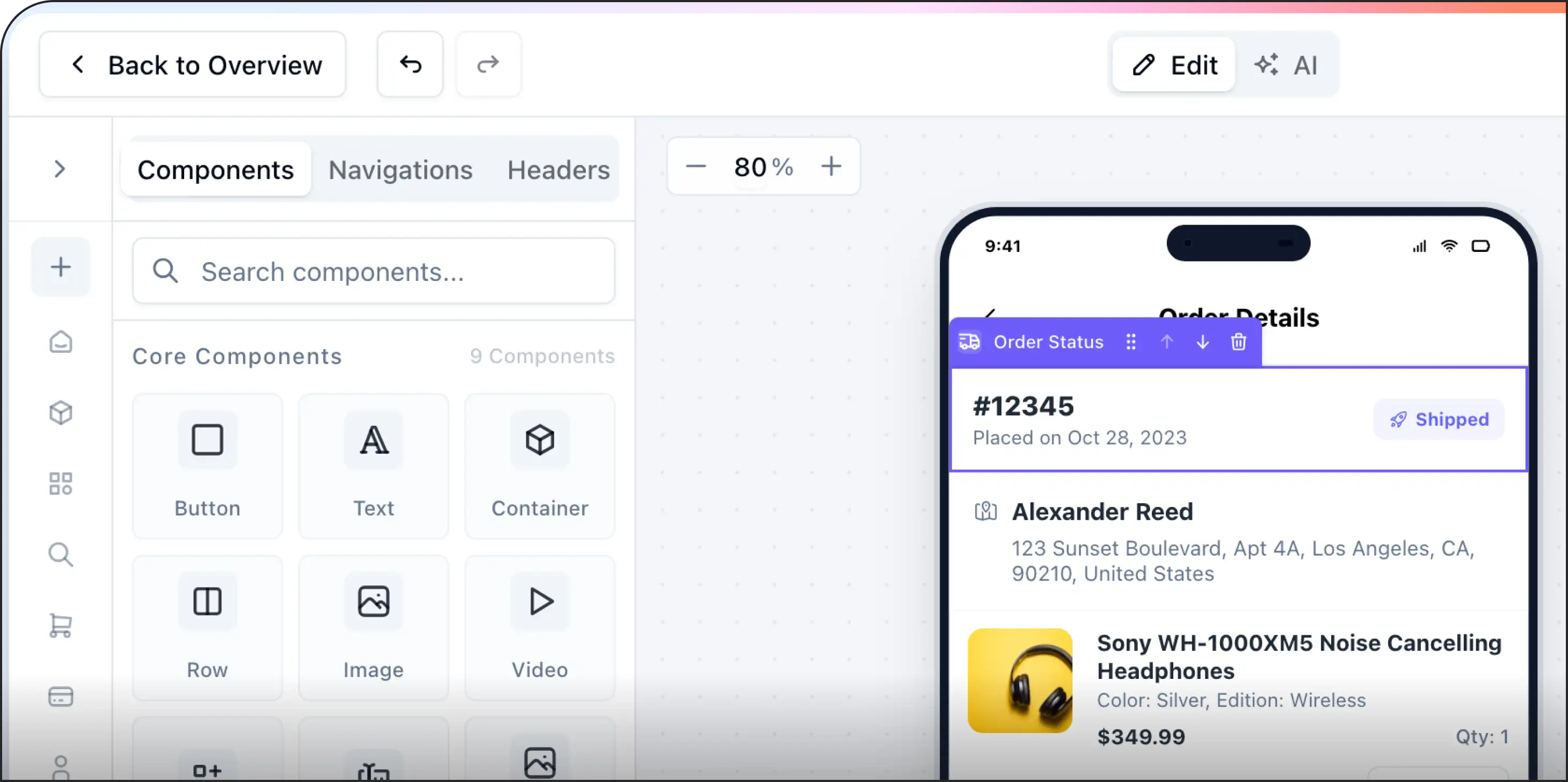
AppNatively offers a visual app building process designed for simplicity and speed. Users can build applications without technical knowledge and prepare them for mobile distribution.
Its affordability and ease of use make it particularly appealing for startups and creators launching their first mobile products.
Best For
This platform is ideal for startups, entrepreneurs, creators, and small businesses that want to launch mobile apps quickly while keeping development costs low.
Currently in Development – Join the Waitlist
At the moment, AppNatively is under active development, and early adopters can join the waitlist to get early access once the platform launches publicly.
Joining the waitlist allows entrepreneurs, creators, and businesses to stay updated on the platform’s progress and potentially gain early access to features as they become available.
Early access users are often the first to explore new capabilities, provide feedback to the development team, and take advantage of special launch offers.
Who Should Join the Waitlist
The waitlist is ideal for startup founders, product creators, indie makers, and small businesses who want to build mobile apps but prefer an affordable and user-friendly solution.
It is also useful for entrepreneurs planning to launch digital products in the near future and looking for tools that can accelerate development.
As the demand for no-code tools continues to grow, platforms like AppNatively represent the next step in making mobile app development faster, simpler, and more accessible for everyone.
2. Glide – Best for Spreadsheet-Based Apps
Glide is widely known for turning spreadsheets into fully functional apps.
It allows users to connect Google Sheets or databases and instantly generate mobile or web applications.
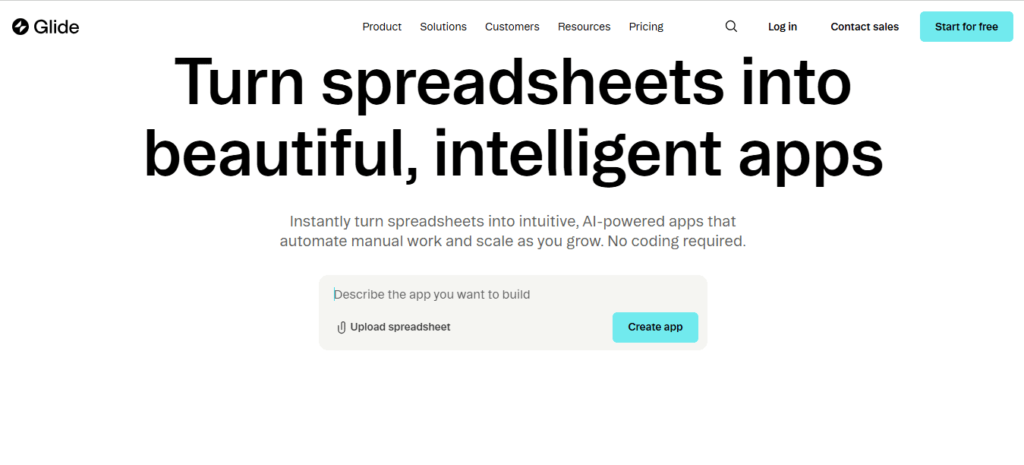
The platform is particularly useful for internal tools, dashboards, and lightweight business applications.
However, while Glide is excellent for quick prototypes, it may not always offer the same level of flexibility required for complex mobile apps.
3. Adalo – Best for Custom No-Code Mobile Apps
Adalo is one of the most well-known no-code platforms for building mobile applications with drag-and-drop interfaces.
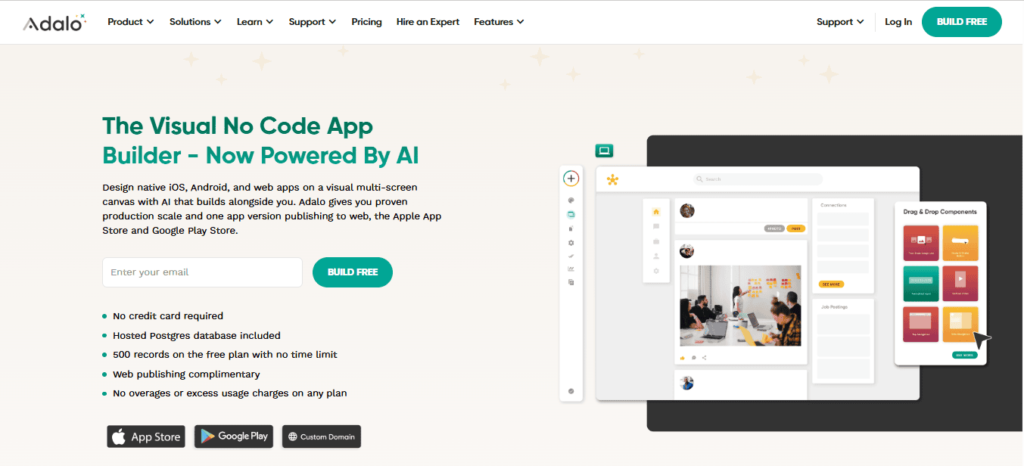
Users can design screens, add databases, and create workflows visually.
The platform also supports app publishing to app stores, making it suitable for startups testing new products.
4. FlutterFlow – Best Visual Builder for Developers
FlutterFlow combines visual development with the power of Flutter. It is popular among developers who want more control over their apps while still benefiting from visual tools.
This platform offers deeper customization compared to many no-code builders.
5. Softr – Best for Building Web Apps Quickly
Softr focuses primarily on web applications and portals built on top of data sources like Airtable.
It is particularly useful for creating membership portals, internal tools, and lightweight SaaS products without coding.
Comparison of the Best Free App Builders
| App Builder | Best For | Free Plan | Mobile App Support |
|---|---|---|---|
| AppNatively | Affordable native mobile apps | Yes | Yes |
| Glide | Spreadsheet apps | Yes | Limited |
| Adalo | Custom mobile apps | Yes | Yes |
| FlutterFlow | Advanced visual development | Yes | Yes |
| Softr | Web apps and portals | Yes | No |
Are Free App Builders Worth It?
Free app builders are an excellent starting point for testing ideas and building MVPs.
They allow users to experiment with minimal financial risk and validate their concepts before investing heavily.
However, most free plans come with limitations such as branding, feature restrictions, or publishing constraints.
As apps grow, users often upgrade to paid plans for advanced capabilities.
Future of No-Code App Development (2026–2030)
The next few years are expected to be transformative for the no-code ecosystem.
Between 2026 and 2030, no-code and low-code platforms will likely become the primary way many startups and small businesses build digital products.
What began as simple drag-and-drop tools is rapidly evolving into sophisticated development environments capable of creating complex applications.
1. AI-powered app development
Artificial intelligence is already beginning to reshape how apps are built.
Future no-code platforms will likely integrate AI assistants that help generate app layouts, automate workflows, and even build entire applications from simple prompts.
Instead of manually designing every screen, users will be able to describe the app they want, and the builder will generate a working prototype instantly.
This shift will dramatically reduce development time and allow founders to move from idea to MVP faster than ever.
2. Rise of native app builders
Historically, many no-code tools focused on web apps or progressive web apps. However, the demand for real mobile applications continues to grow because users prefer native experiences from app stores.
Over the next few years, more platforms will prioritize native mobile development capabilities.
Tools like AppNatively are part of this new wave, focusing on making native mobile app creation affordable and accessible for founders who do not have engineering teams.
3. No-code becoming the startup standard
Startups are increasingly using no-code tools during the early stages of product development.
Instead of investing large budgets into engineering teams, founders build MVPs using visual development platforms.
This approach allows startups to validate ideas quickly, test market demand, and iterate faster.
By the time they scale, they already have a working product and user feedback guiding further development.
4. Enterprise adoption of no-code platforms
Large organizations are also beginning to adopt no-code tools to accelerate internal development.
Teams can build internal dashboards, workflow automation systems, and customer portals without waiting months for development resources.
This trend suggests that no-code development will not only empower entrepreneurs but will also reshape how enterprises build internal software.
Overall, the future of no-code development looks extremely strong, and by 2030 it may become the dominant way digital products are built and launched.
How Startups Launch Apps Under $500
One of the biggest advantages of modern app builders is the ability to launch applications at extremely low costs.
Just a few years ago, building a mobile app required thousands of dollars in development expenses.
Today, startups can launch fully functional applications for less than $500 by leveraging no-code platforms and smart development strategies.
Step 1: Start with a simple MVP
Successful startups rarely launch complex products immediately. Instead, they begin with a Minimum Viable Product (MVP) that focuses only on the core functionality needed to test the idea.
For example, a marketplace startup might launch with just basic listing functionality and messaging features rather than building dozens of advanced tools.
By limiting the scope of the first version, founders can significantly reduce development costs.
Step 2: Use no-code app builders
No-code tools are the primary reason startups can build apps so cheaply today. Platforms like AppNatively and other visual builders allow founders to create functional applications without hiring developers.
Instead of spending thousands on custom development, founders can use templates, prebuilt components, and visual editors to design their apps quickly.
This dramatically reduces both cost and development time.
Step 3: Launch quickly and collect feedback
Launching early is critical for startup success. Once the MVP is ready, founders should release it to a small group of users and collect feedback.
This approach helps identify what users actually need before investing further resources into development.
Step 4: Iterate based on real data
Many startups fail because they build products based on assumptions rather than user feedback. The advantage of no-code platforms is that they allow rapid iteration.
Founders can quickly modify app features, adjust workflows, and improve the user experience without rebuilding the entire product.
Step 5: Scale only after validation
Once the idea is validated and users begin adopting the product, startups can start investing more resources into scaling the app.
At this stage, founders may upgrade their app builder plan, integrate advanced tools, or eventually transition to a fully custom development team if necessary.
Final Thoughts
The rise of no-code app builders has completely transformed how digital products are created. Entrepreneurs and startups no longer need massive budgets or engineering teams to launch their ideas.
Tools like AppNatively, Glide, Adalo, FlutterFlow, and Softr make it possible to design, test, and launch applications quickly.
For founders looking for an affordable way to build mobile apps, these platforms provide a powerful starting point.
Choosing the right app builder ultimately depends on your goals, the type of application you want to build, and how quickly you plan to scale.
Frequently Asked Questions
What is the best app builder with a free plan?
Some of the best app builders with free plans include AppNatively, Glide, Adalo, FlutterFlow, and Softr. Each platform offers different features depending on whether you want to build mobile apps, web apps, or internal tools.
Can I build a mobile app for free?
Yes, many no-code platforms offer free plans that allow users to build and test apps without paying. However, publishing to app stores or unlocking advanced features may require a paid plan.
Are no-code app builders good for startups?
Yes. Many startups use no-code tools to launch MVPs quickly, validate ideas, and reduce development costs before investing in full-scale engineering teams.
Do free app builders allow app store publishing?
Some platforms support app store publishing, but many require upgrading to a paid plan before releasing apps on Google Play or the Apple App Store.
Related posts