Glide vs AppNatively: Which Builds Real Mobile Apps Affordably?

Building a mobile app traditionally requires high development costs and long timelines. No-code platforms have changed that by allowing founders and businesses to create apps without coding.
In this comparison of Glide vs AppNatively, we explore which platform helps users build real mobile apps at a lower cost. Glide is known for transforming data into functional apps quickly.
Meanwhile, AppNatively is being developed as a powerful drag-and-drop platform focused on creating true native mobile apps with advanced features at an affordable price.
The platform is currently under development, and early users can join the waitlist to get access when it launches.
What Is Glide?
Glide is a well-known no-code platform that allows users to create apps using data sources such as spreadsheets and databases.
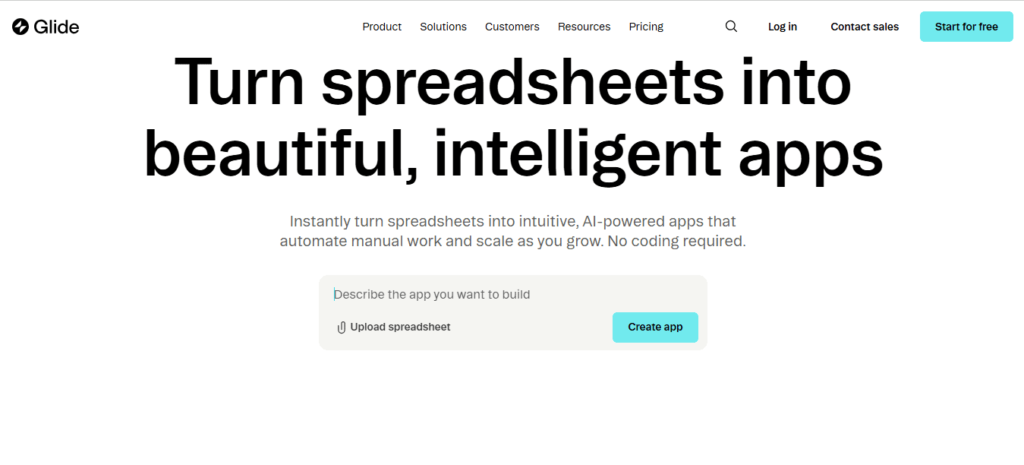
It became popular because it offers a fast way to transform structured data into functional applications.
Many teams use Glide for internal tools, dashboards, and lightweight applications where speed matters more than deep customization.
The platform focuses on simplicity. Users can connect data sources, design app layouts visually, and publish apps quickly without technical complexity.
What Is AppNatively?
AppNatively is a new no-code platform designed with a different vision: making real native mobile app development affordable and accessible for everyone.
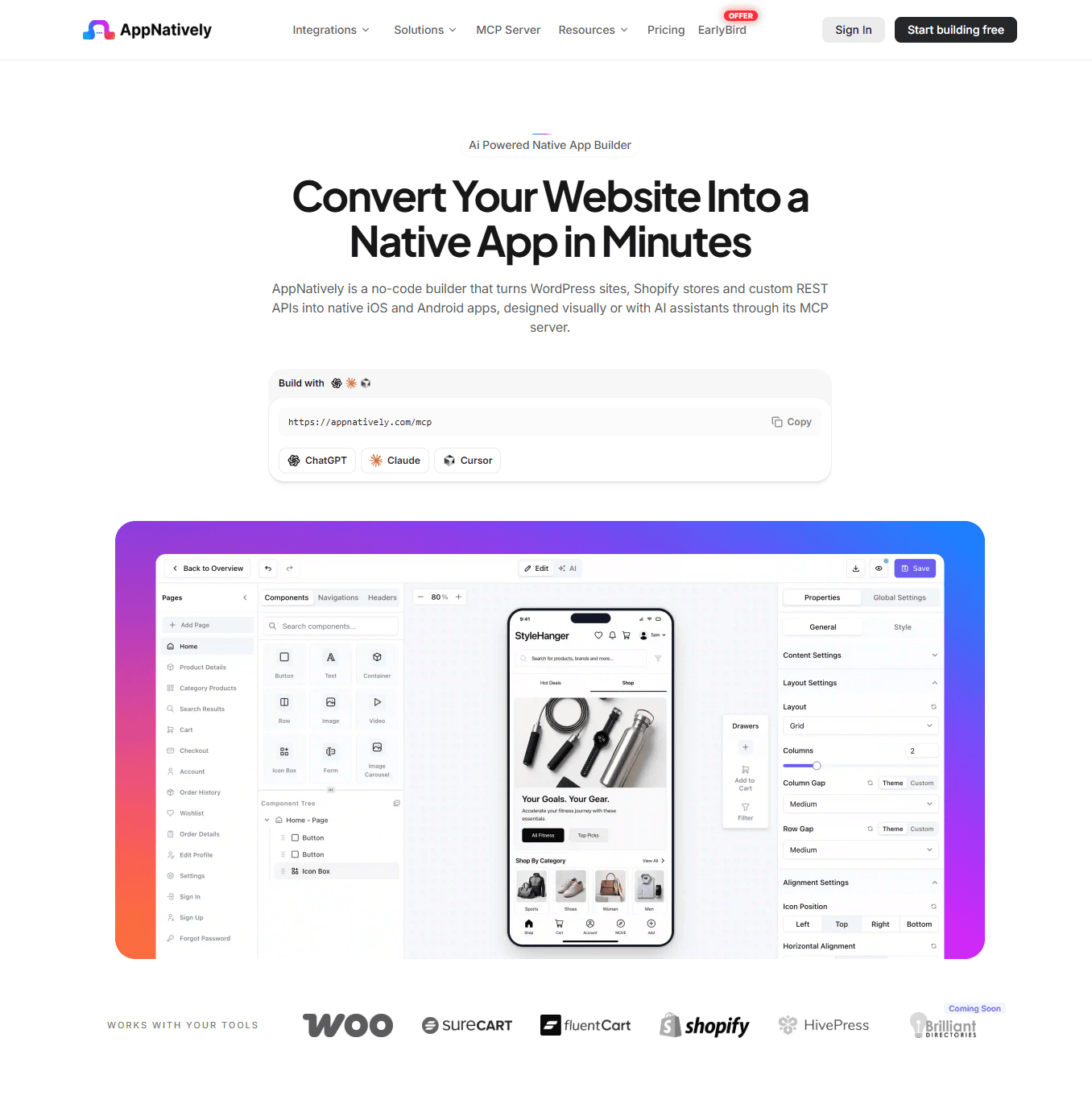
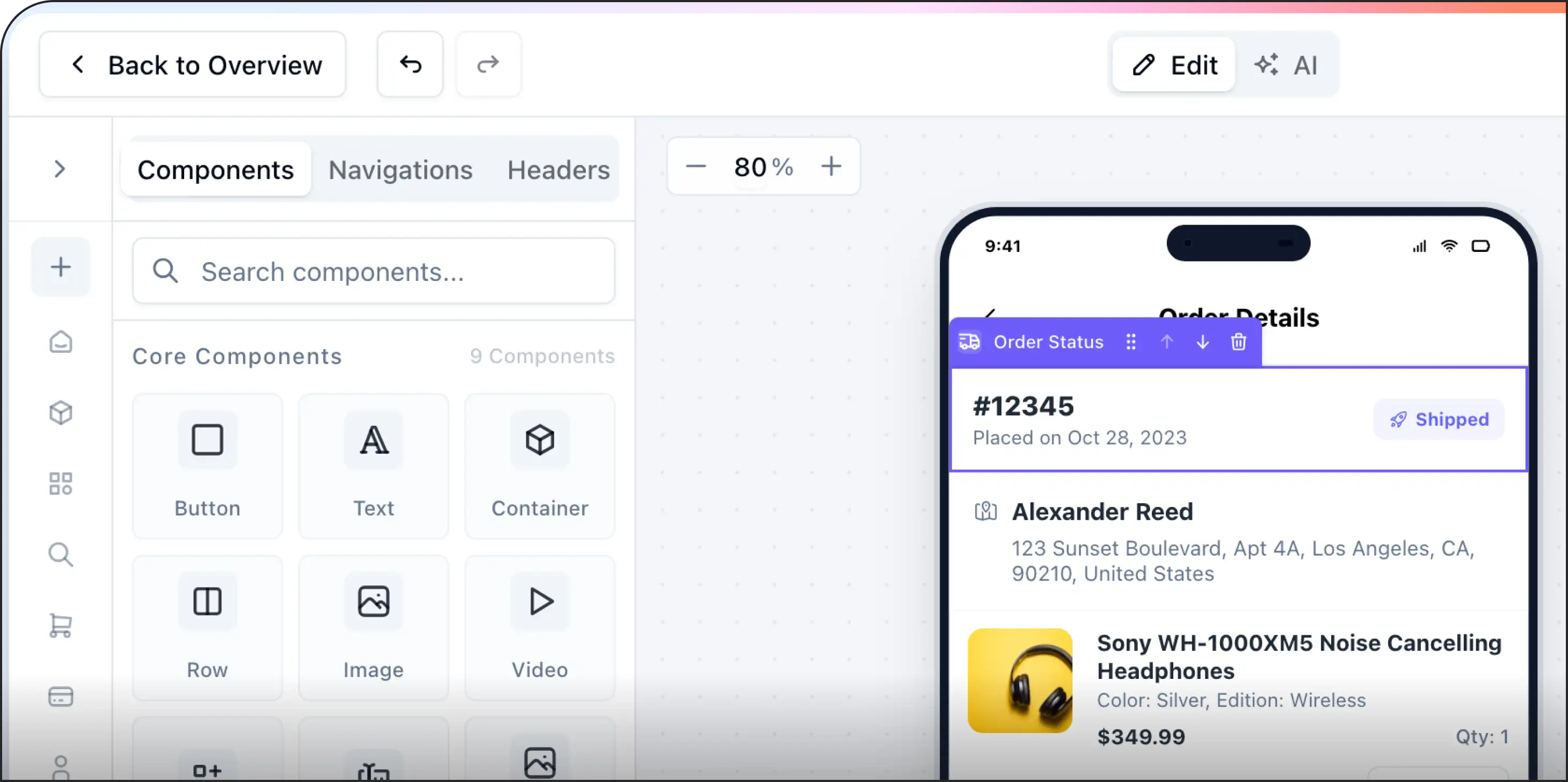
Instead of focusing primarily on web-based app experiences, AppNatively aims to provide a powerful drag-and-drop environment for building true native mobile applications.
The goal is simple: remove the traditional complexity and cost associated with mobile app development while still delivering powerful functionality.
AppNatively is currently under development and is accepting users for its early access waitlist.
Glide vs AppNatively: Side-by-Side Comparison
| Feature | Glide | AppNatively |
|---|---|---|
| Primary Focus | Spreadsheet-based apps | Native mobile app builder |
| App Type | Web apps optimized for mobile | Real native iOS & Android apps |
| Ease of Use | Beginner friendly | Drag-and-drop builder |
| Customization | Moderate | Designed for flexibility |
| Scalability | Best for internal tools | Built for production apps |
| Pricing Philosophy | Tier-based pricing | Startup-friendly affordability |
Glide vs AppNatively: Key Differences
Understanding the differences between Glide and AppNatively helps founders choose the right platform based on their goals.
1. App Type
Glide primarily focuses on apps that function similarly to web applications.
They work well for data-driven workflows but may not always deliver a fully native mobile experience.
AppNatively is designed specifically for building native mobile apps, which typically provide better performance and deeper device integration.
2. Performance
Web-based applications rely on browsers to function. While modern browsers are powerful, they may still have performance limitations.
Native apps run directly on the device’s operating system, which can result in smoother interactions and faster performance.
3. Customization Flexibility
Glide offers predefined components that work well for many use cases. However, complex app experiences may require additional flexibility.
AppNatively aims to provide a builder that allows greater freedom when designing mobile applications.
4. Scalability
Glide works well for internal tools, lightweight apps, and early prototypes.
AppNatively is being designed to support production-ready mobile apps that businesses can grow and scale.
5. Pricing Philosophy
Glide offers different pricing tiers depending on features and usage.
AppNatively aims to position itself as an affordable solution for founders who want to build real mobile apps without massive costs.
When Glide Might Be the Right Choice
Glide remains a strong option for many scenarios.
Businesses may prefer Glide when they need to:
- Build internal productivity tools quickly
- Create simple workflow apps
- Turn spreadsheets into lightweight dashboards
- Launch quick prototypes
For teams that want to organize data or automate workflows, Glide can be an efficient solution.
However, if the goal is to launch a full mobile product for customers, founders may want to explore tools focused on native development.
Why AppNatively Could Be the Future of No-Code App Development
The no-code ecosystem continues to evolve rapidly. Early tools focused on building simple applications, but the next generation of platforms aims to support real product development.
AppNatively is being built with that future in mind.
By focusing on native mobile experiences and affordable pricing, the platform attempts to remove two of the biggest barriers founders face: technical complexity and development cost.
For startups, this could mean the ability to:
- Launch mobile apps faster
- Test new product ideas quickly
- Build scalable mobile products
- Reduce dependency on expensive development teams
If these goals are achieved, AppNatively could become an attractive option for entrepreneurs who want the benefits of native apps without traditional development challenges.
Who Should Consider AppNatively
Several groups may benefit from the platform.
Startup founders
Entrepreneurs who want to launch mobile products without heavy development costs.
Indie makers
Creators who want to validate new app ideas quickly.
Agencies
Digital agencies building apps for clients may use no-code tools to accelerate delivery.
SaaS creators
Product builders looking to extend their platforms into mobile applications.
Business owners
Companies that want custom mobile apps without hiring large engineering teams.
For these users, an affordable native app builder could unlock new opportunities.
Why Most No-Code Apps Fail to Become Real Products
The no-code movement has made app creation easier than ever. However, many projects built with no-code platforms struggle when they try to grow beyond simple prototypes.
One major reason is that many builders generate web apps wrapped as mobile apps.
While this works for internal tools or quick MVPs, it often creates limitations in performance, user experience, and scalability when the product starts gaining real users.
As startups move from validation to growth, they usually need true native mobile apps, better performance, and more control over features.
That shift often forces founders to rebuild their product using traditional development, which increases cost and delays progress.
This is exactly the problem new platforms like AppNatively aim to solve, allowing creators to build real native mobile apps from the start without the traditional development complexity or cost.
Why AppNatively Is Built for the Next Generation of App Creators
Many no-code tools were originally designed for internal dashboards or simple workflow apps.
But modern founders want something bigger: the ability to launch real mobile products that users download from app stores.
AppNatively is being developed with this exact vision in mind.
Instead of focusing only on simple app prototypes, the platform is designed to help creators build production-ready native apps using an intuitive drag-and-drop experience.
The goal is to combine the simplicity of no-code with the performance and flexibility of native development.
Another key focus is affordability. Many platforms become expensive as your app grows.
AppNatively aims to make powerful mobile app creation accessible to startups, indie makers, and small teams who want to launch apps without massive budgets.
By lowering both the technical and financial barriers, AppNatively is positioning itself as a new generation app builder for founders who want to move fast.
Join the AppNatively Early Access Waitlist
AppNatively is currently under development, and the team is inviting early adopters to join the waitlist.
Early access users will have the opportunity to explore the platform before public release and help shape the future of the product.
This also allows founders and creators to stay ahead by preparing their mobile apps using a platform designed for real native performance and startup-friendly pricing.
If you are planning to launch a mobile app without the traditional development cost, joining the waitlist could be the perfect opportunity to get early access.
Join the AppNatively waitlist today and be among the first creators building powerful native mobile apps without coding.
Final Verdict: Glide vs AppNatively
Glide has established itself as a useful platform for building quick apps powered by data. It works particularly well for internal tools, simple workflows, and lightweight applications.
AppNatively is approaching the problem from a different direction. The platform aims to make real native mobile app development accessible and affordable for startups and creators.
If your goal is to build simple data-driven apps quickly, Glide may be a practical solution.
If you are looking for a platform focused on building scalable native mobile apps without traditional development complexity, AppNatively could become a compelling option to watch.
Frequently Asked Questions (FAQs)
1. Is Glide a no-code app builder?
Yes, Glide is a no-code platform that allows users to build apps from spreadsheets or databases without writing code. It is commonly used for internal tools, directories, and lightweight business apps.
2. Can AppNatively publish apps to both iOS and Android?
Yes, AppNatively can convert a web app or website into a native mobile application that can be published on both the Apple App Store and Google Play Store.
3. Do Glide apps require coding knowledge?
No, Glide is designed for non-developers. Users can build functional apps using drag-and-drop components and data from Google Sheets, Excel, or Glide Tables.
4. Is AppNatively a no-code platform?
Yes, AppNatively is a drag & drop no-code native app builder.
5. Are Glide apps SEO friendly?
Glide apps are primarily web apps, so SEO capabilities are limited compared to traditional websites, though they can still be indexed depending on configuration.
6. Can Glide apps send push notifications?
Glide supports basic push notifications, but native mobile apps typically provide more advanced notification features.
7. What type of apps can you build with Glide?
Glide is commonly used to build internal tools, marketplaces, directories, dashboards, CRMs, and community apps.
8. Which option is better for launching a public mobile app?
If your goal is to launch an app on Apple App Store or Google Play, a native solution like AppNatively is typically required since Glide apps are mainly web-based.
Related posts