7 Best Tapcart Alternatives (2026): Affordable & Powerful Shopify App Builders Compared

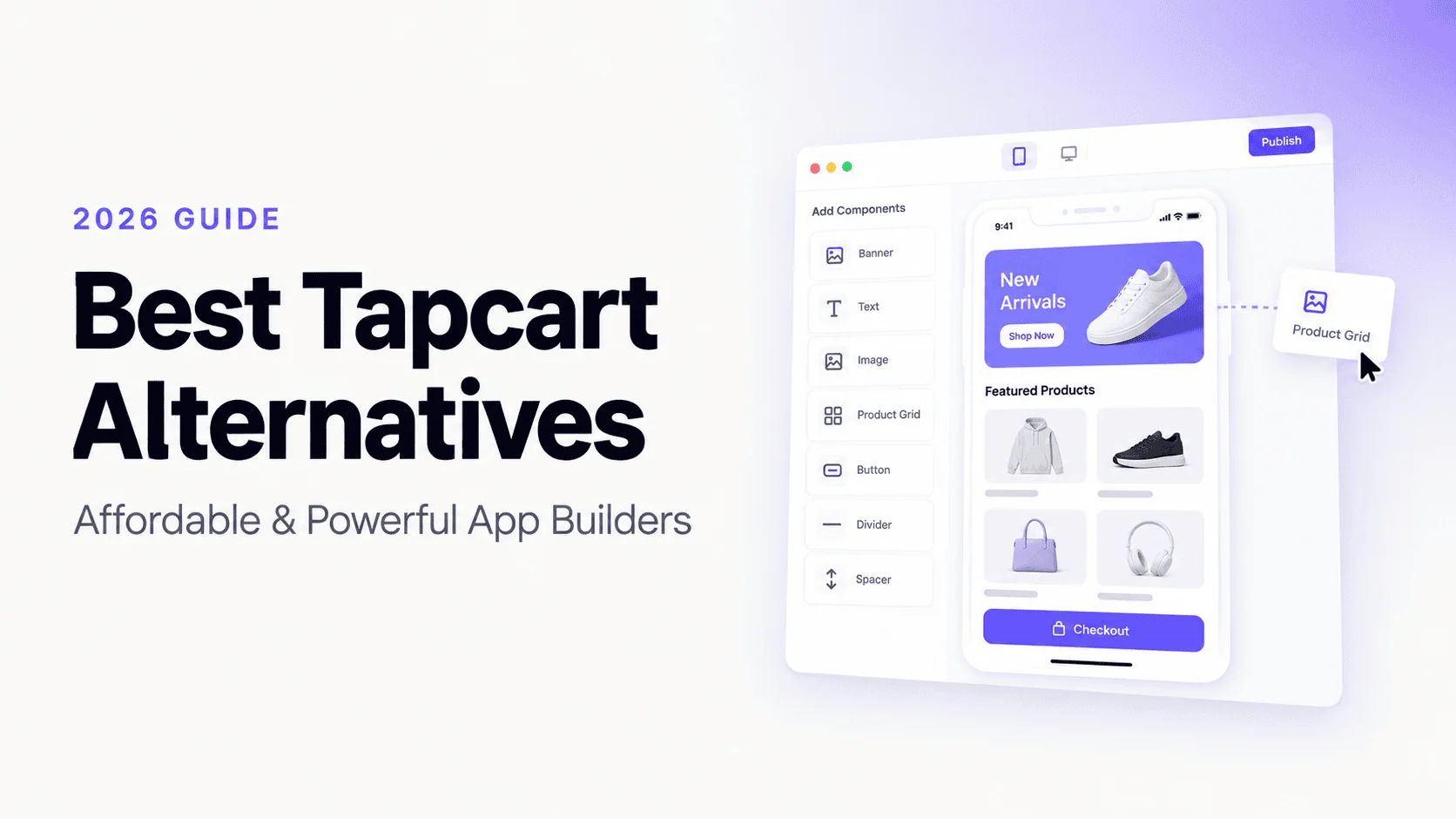
A Tapcart alternative is a platform that allows Shopify store owners to convert their online store into a mobile app without coding, often at a lower cost or with more advanced customization options.
While Tapcart is popular, many businesses seek alternatives due to high pricing, limited flexibility, or lack of advanced features.
In this blog post, you’ll discover the best Tapcart alternatives in 2026, including affordable solutions, feature-rich platforms, and scalable app builders designed for serious eCommerce growth.
What to Look for in a Tapcart Alternative
Pricing that scales with you
A good alternative should offer transparent pricing without forcing you into expensive tiers as your business grows. Flexible pricing is especially important for startups and mid-sized brands.
No-code + customization balance
The best tools combine drag-and-drop simplicity with advanced customization. This allows beginners to launch quickly while giving developers room to scale.
Performance & speed
Mobile apps must load instantly. Look for platforms optimized for speed, as performance directly impacts conversions and retention.
Native features
Push notifications, offline support, real-time sync, and deep linking are must-have features for a competitive mobile app experience.
Integration ecosystem
Your app builder should seamlessly integrate with Shopify apps, payment gateways, analytics tools, and marketing platforms.
7 Best Tapcart Alternatives (Detailed Comparison)
1. AppNatively – The Rising High-Value Alternative
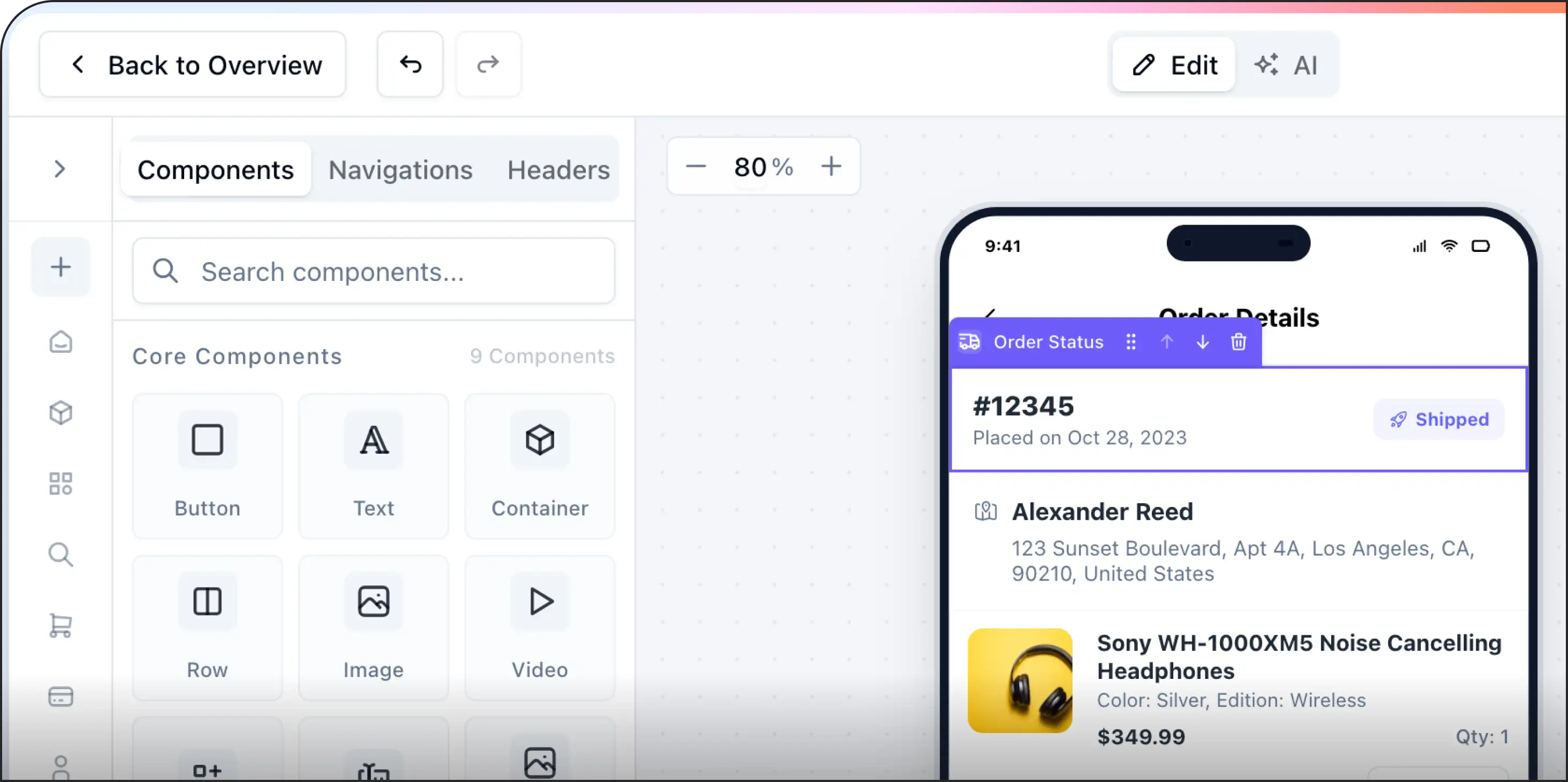
AppNatively is quickly becoming a go-to solution for Shopify store owners who want powerful mobile apps without the heavy pricing burden.
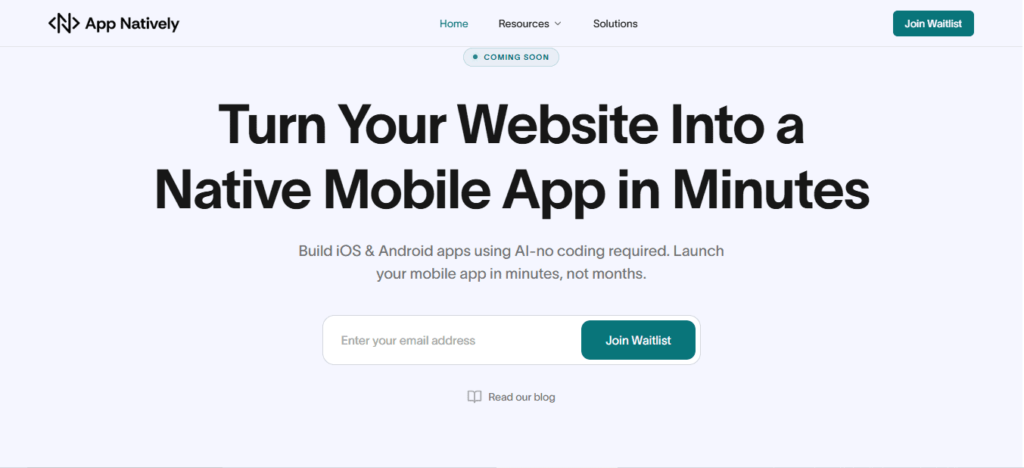
It focuses on delivering premium features at a significantly lower cost compared to Tapcart.
What makes it stand out is its balance between affordability and advanced functionality. Unlike many competitors, it doesn’t compromise on performance or scalability.
You get real-time sync, native app experience, and deep customization options—all designed for growth.
Another major advantage is its early-access model, allowing businesses to join a waitlist and gain competitive pricing before full rollout.
For brands looking to scale aggressively, this creates a strong first-mover advantage.
Why It Converts Better
AppNatively positions itself as a cost-effective yet powerful solution, which directly appeals to businesses frustrated with Tapcart’s pricing structure.
The value-to-price ratio is one of the strongest in the market.
2. Vajro – Best for Beginners
Vajro is ideal for beginners who want to launch quickly without technical knowledge. Its drag-and-drop builder and intuitive interface make app creation straightforward.
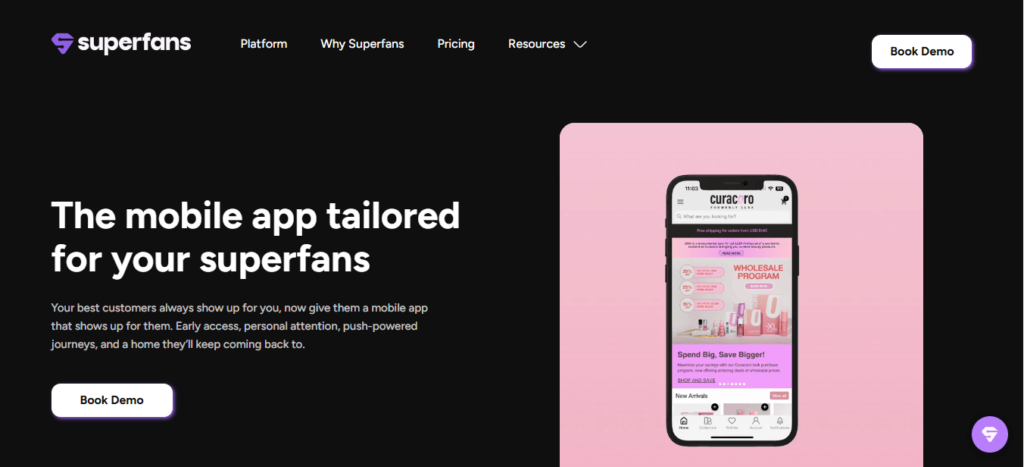
It also offers strong onboarding support, helping new users go from store to app in hours rather than days.
However, as businesses grow, customization limitations may become noticeable.
3. Shopney – Best for Design Flexibility
Shopney focuses heavily on UI/UX, offering visually appealing app templates. It’s perfect for brands that prioritize aesthetics and branding.
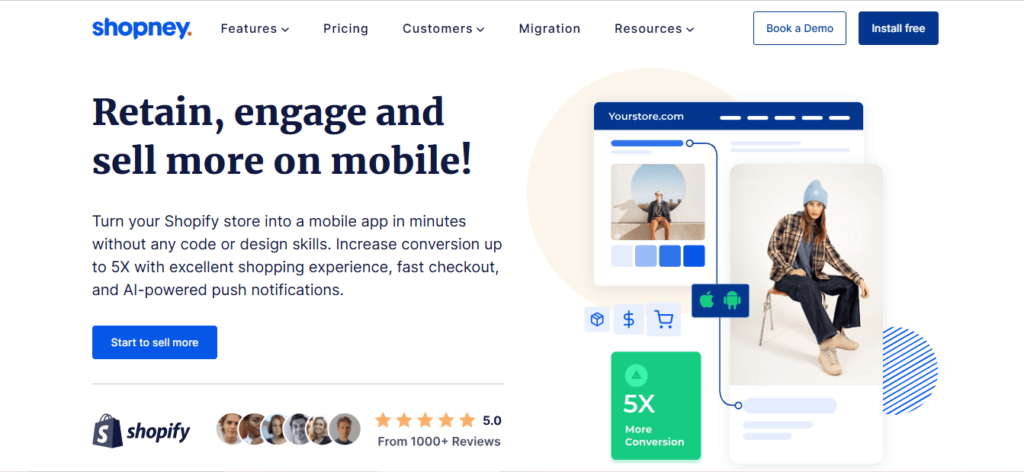
The platform provides good customization options and smooth integrations with Shopify, but pricing can increase as you scale.
4. Plobal Apps – Best for Enterprise Features
Plobal Apps is designed for larger businesses that need advanced analytics, AI-driven personalization, and enterprise-level integrations.
While powerful, it may be overkill for small stores due to its complexity and pricing structure.
5. MageNative – Budget-Friendly Option
MageNative is one of the most affordable Tapcart alternatives. It supports both Android and iOS app creation with decent customization.
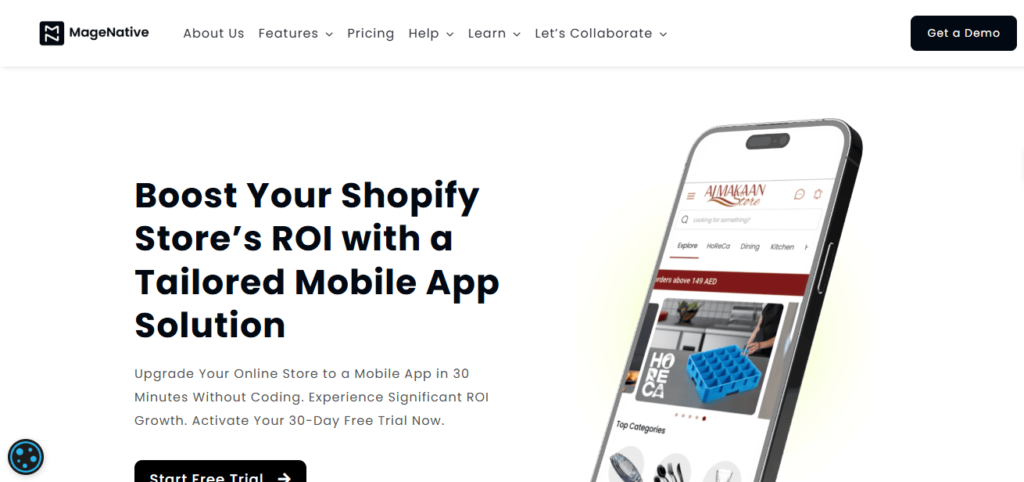
However, performance and UI polish may not match premium competitors, making it better suited for budget-conscious startups.
6. OneMobile – Strong Omnichannel Experience
OneMobile focuses on creating a seamless omnichannel experience by integrating mobile apps with web and other sales channels.
It offers solid performance and features, though it may require more setup compared to simpler tools.
7. JMango360 – Best for Custom Development
JMango360 is ideal for businesses that want complete control over their mobile app. It offers advanced customization and developer-friendly tools.
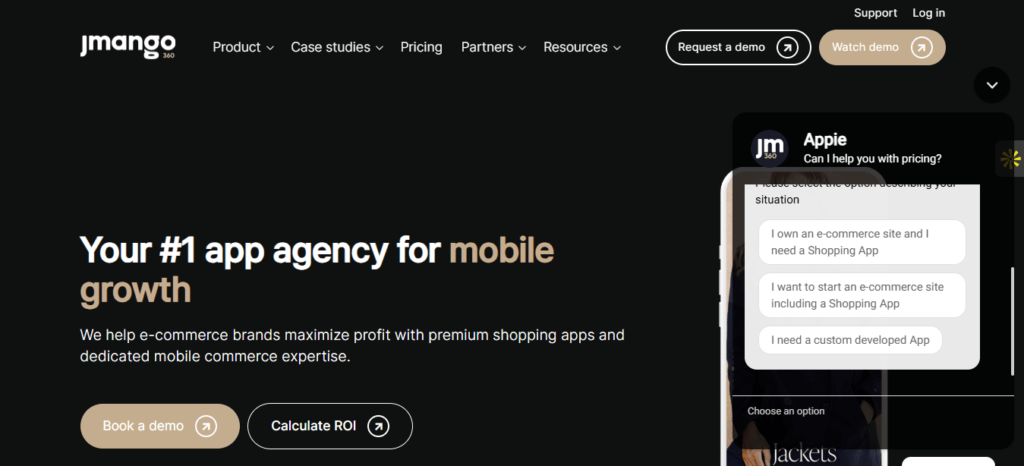
However, it’s more suited for teams with technical expertise rather than beginners.
Tapcart vs Alternatives: Key Differences
i. Pricing comparison
Tapcart is known for premium pricing, which can quickly increase with additional features.
Alternatives like AppNatively and MageNative provide similar or better features at a fraction of the cost, making them more sustainable for growing businesses.
ii. Flexibility
Most alternatives outperform Tapcart in customization. This is crucial for brands that want unique app experiences rather than template-based designs.
iii. Performance & Innovation
Newer platforms are often more optimized and innovative, offering faster updates, better integrations, and improved user experiences.
Frequently Asked Questions (FAQs)
What is the best Tapcart alternative in 2026?
The best Tapcart alternative depends on your needs, but AppNatively is emerging as a top choice due to its affordability, advanced features, and scalability.
Why are people switching from Tapcart?
Most users switch due to high pricing, limited customization, and better value offered by newer platforms.
Are Tapcart alternatives cheaper?
Yes, many alternatives provide similar or better features at significantly lower costs, making them ideal for startups and scaling businesses.
Can I build a Shopify mobile app without coding?
Absolutely. Most Tapcart alternatives offer no-code builders that allow you to create apps using drag-and-drop interfaces.
Which Tapcart alternative is best for beginners?
AppNatively is one of the best beginner-friendly options due to its simplicity and onboarding support.