

Lessons From Building an App Builder: A Founder’s Journey

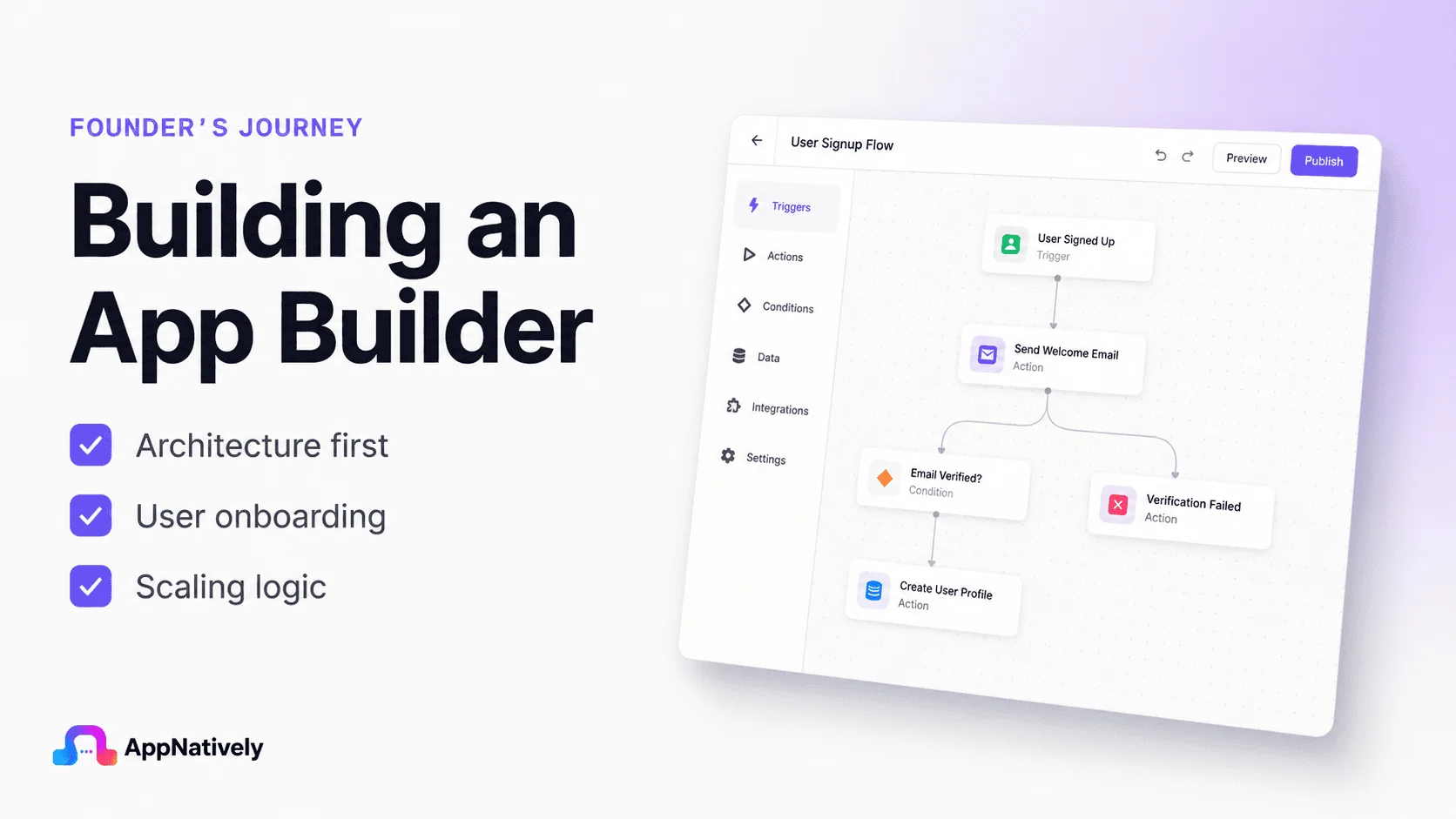
When we started building AppNatively, I believed the biggest challenge would be writing code.
I couldn’t have been more wrong.
Yes, building a native app builder requires solving technical problems. You have to deal with mobile platforms, APIs, synchronization, performance optimization, app store guidelines, and countless edge cases. But those aren’t the hardest parts.
The real challenge is building something people genuinely want to use.
As a founder, I’ve learned that every product decision has consequences. Every feature request competes with another. Every shortcut eventually catches up with you. And every conversation with a customer can completely change your roadmap.
Building an app builder has taught me lessons that extend far beyond software development. It’s taught me about listening, prioritizing, patience, execution, and the reality of turning an idea into a product.
These are some of the biggest lessons I’ve learned while building AppNatively.
Great Products Start With Problems, Not Features
One of the biggest mistakes founders make is falling in love with features.
It’s exciting to brainstorm new functionality.
- AI integration.
- Advanced customization.
- More animations.
- More templates.
- More settings.
But customers rarely buy features. They buy solutions.
When we spoke with WooCommerce store owners, directory website owners, hotel businesses, and booking platforms, they weren’t asking for hundreds of customization options.
They wanted something much simpler.
“I just want my website to become a real mobile app.”
That became our north star.
Every feature we built had to answer one question:
Does this solve a real customer problem?
If the answer was no, it went to the backlog.
Your Customers Will Rewrite Your Roadmap
No matter how much research you do, customers will surprise you.
Features we believed were essential sometimes received little attention.
Meanwhile, requests we initially underestimated quickly became priorities.
For example, many users wanted faster updates without constantly waiting for app store approvals.
That feedback led us to prioritize OTA (Over-the-Air) updates much earlier than originally planned.
Without customer conversations, we might have spent months building something people cared less about.
Listening isn’t just good customer support.
It’s product development.
Simplicity Is Much Harder Than Complexity
Adding features is easy. Removing complexity is difficult. An app builder naturally grows over time.
Every new option seems useful.
- Another layout.
- Another setting.
- Another toggle.
Eventually, users become overwhelmed.
We learned that every new feature increases the learning curve.
Instead of asking, “What else can we add?”
We started asking,
“What can we simplify?”
The best software often feels effortless because someone spent months removing unnecessary complexity.
Speed Matters More Than Perfection
Many founders delay launching because they want everything to be perfect.
- Perfect design.
- Perfect onboarding.
- Perfect documentation.
- Perfect feature set.
The truth is, perfection is impossible.
Users would rather have a product that solves today’s problems than a perfect product that arrives next year.
Shipping early creates opportunities to learn faster.
Feedback is more valuable than assumptions.
Progress beats perfection every time.
Every Feature Has a Hidden Cost
Features don’t end when they’re released. That’s when the work begins.
Every new feature requires:
- Documentation.
- Testing.
- Maintenance.
- Bug fixes.
- Customer support.
- Future compatibility.
- Platform updates.
A feature that seems small today can become a long-term responsibility.
This changed how we evaluate ideas.
Instead of asking,
“Can we build this?”
We ask,
“Can we support this for years?”
Building Native Apps Is More Than Just Performance
People often compare native apps with web-based apps by talking about speed. Performance certainly matters. But native experiences go beyond benchmarks.
Users expect smooth scrolling.
Responsive gestures.
Offline capabilities.
Push notifications.
Device integrations.
Fast startup times.
Consistent interactions.
These details create trust.
When an app feels natural, users don’t think about the technology behind it.
They simply enjoy using it. That realization shaped many of our product decisions.
Saying “No” Is One of the Most Important Founder Skills
Every founder wants to say yes.
- Yes to feature requests.
- Yes to partnerships.
- Yes to new markets.
- Yes to custom development.
But unlimited yeses create unfocused products.
Some requests are valuable.
Others distract from the vision.
Learning when to say no has probably been one of the hardest lessons during our journey.
Every no protects the product from becoming cluttered.
Focus is a competitive advantage.
Bugs Are Teachers
Nobody likes bugs. They frustrate users.
Delay launches. Consume development time. But bugs also expose weaknesses.
Sometimes they reveal assumptions. Sometimes they expose poor architecture. Sometimes they uncover workflows nobody expected.
Every bug is an opportunity to improve the product. The goal isn’t to eliminate every bug forever.
The goal is to build systems that recover quickly and improve continuously.
Marketing Starts Long Before Launch
Many founders think marketing begins after the product is finished.
We learned the opposite. Marketing begins while you’re still building.
- Sharing progress.
- Talking to users.
- Writing about challenges.
- Collecting feedback.
- Building a community.
These activities create trust long before launch day.
People don’t just buy products. They buy stories.
They support founders they’ve watched grow.
Trust Is the Most Valuable Feature
Customers hand over their businesses to your platform. That responsibility is enormous.
Trust isn’t built through advertising. It’s earned through consistency.
- Reliable updates.
- Clear communication.
- Fast support.
- Transparent roadmaps.
- Honest conversations.
Every interaction either strengthens or weakens that trust.
Technology can be copied. Trust cannot.
Small Improvements Compound Over Time
Big launches receive attention. Small improvements create loyal customers.
- Fixing onboarding.
- Improving loading speed.
- Reducing setup time.
- Simplifying navigation.
- Enhancing documentation.
These changes may not generate headlines. But together, they transform the product.
Success often comes from hundreds of small improvements rather than one revolutionary feature.
Building a Product Means Building a Team
Software isn’t created by one person.
Every designer.
Every developer.
Every tester.
Every marketer.
Every support conversation.
Every discussion contributes to the final product.
One lesson I’ve learned is that culture matters as much as code.
Teams that communicate openly build better software.
Shared ownership creates better decisions.
The Journey Never Really Ends
Releasing version one isn’t the finish line. It’s the beginning.
Technology evolves. Customer expectations change. Operating systems receive updates.
Competitors introduce new ideas. Your product must keep evolving.
Building software is a continuous commitment to learning.
That’s both the challenge and the excitement.
How These Lessons Shape AppNatively
Every lesson we’ve learned has influenced how we build AppNatively.
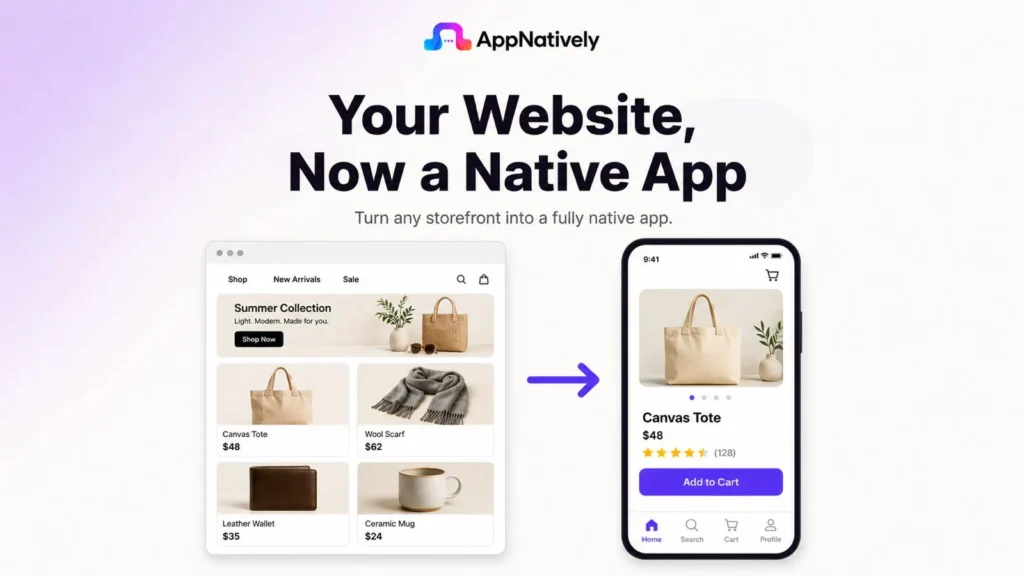
We’ve focused on making native app creation accessible without sacrificing performance.
We’ve prioritized customer feedback over assumptions, simplified workflows wherever possible, and invested in features that solve practical business problems instead of adding unnecessary complexity.
Whether someone runs a WooCommerce store, a directory website, a booking platform, or another WordPress-powered business, our goal remains the same: make it possible to create high-quality native mobile apps without the traditional cost, time, and complexity of custom development.
Building AppNatively continues to be a learning experience, and every customer interaction helps us build a better product.
Final Thoughts
If there’s one lesson that stands above the rest, it’s this:
Products don’t succeed because founders have all the answers.
They succeed because founders keep learning.
Every customer conversation, every mistake, every failed experiment, and every small improvement becomes part of the product’s story.
Building an app builder has been one of the most challenging experiences of my career, but also one of the most rewarding. It has changed how I think about software, business, and solving real problems.
We’re still learning every day, and that’s exactly how great products are built.
Related posts
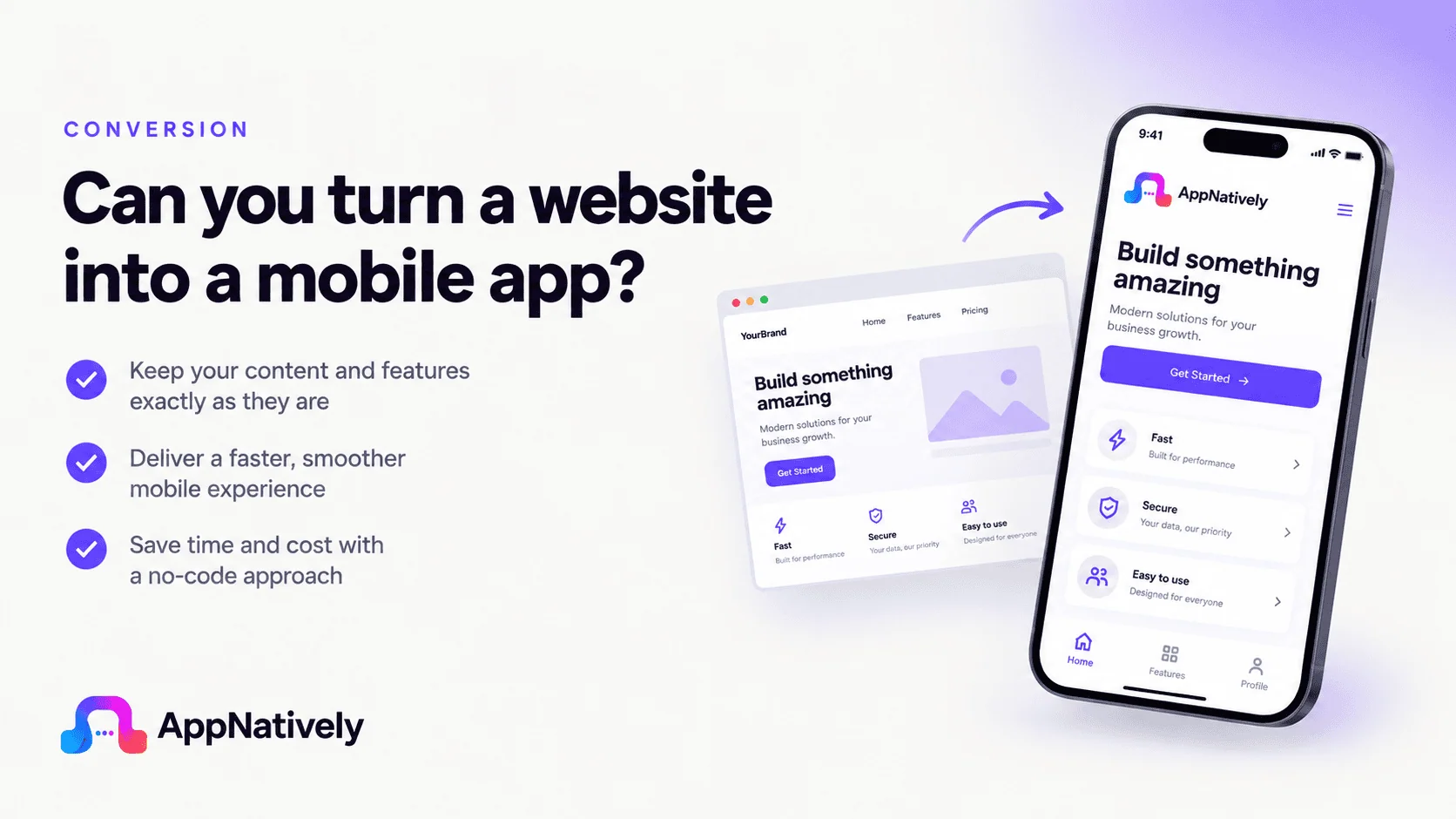
Can You Turn a Website Into a Mobile App? Here’s How It Works

AppNatively vs MobiLoud vs AppMySite: Which Mobile App Builder Is Best in 2026?

AppNatively vs Shopney vs Tapcart: Which Shopify App Builder Is Best in 2026?